Safety is paramount in every workplace. If your jobsite has flammables, it’s essential to prevent catastrophic fires. Proactive measures protect your workers from severe injuries and avoid costly damage to expensive machinery. Here are five ways to reduce the risk of flammables and safeguard the premises.
Why Flammables Are a Concern on the Jobsite
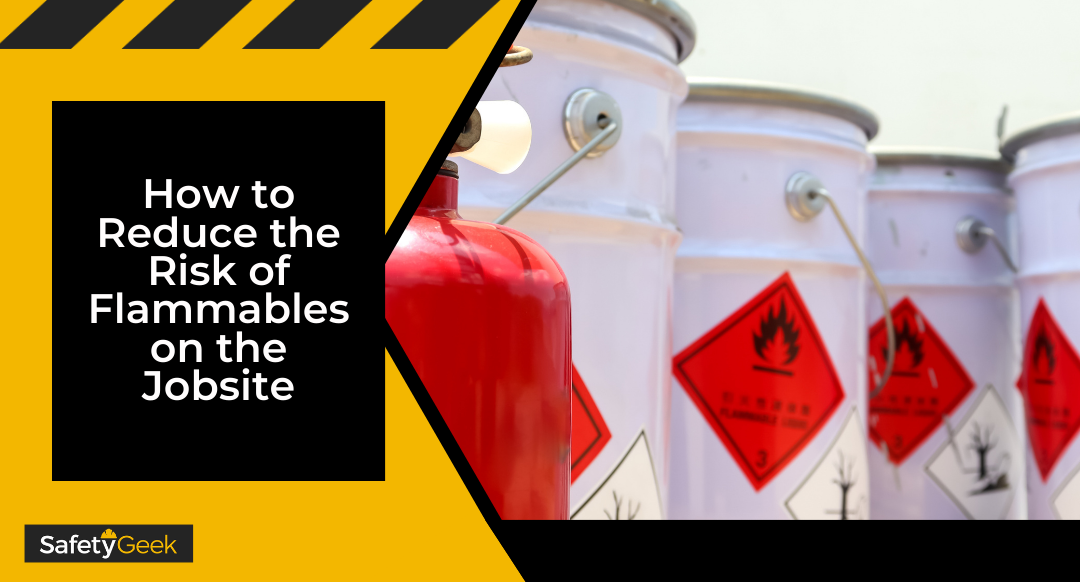
Jobsites are filled with ignition sources, from your cutting torches to power tools. Equipment in proximity to flammable liquids and vapors becomes a problem for your employees. Even small electrical sparks can ignite vapor clouds in the immediate area. Worksites are temporary and evolving, meaning a crew may have insufficient storage capabilities.
The temporary nature is also crucial for the jobsite’s electrical systems. Your temporary power apparatus may be susceptible to system overloading or physical damage. Therefore, an improper connection or a lack of grounding can be concerning.
Protecting the Jobsite From Fire Risks
Proactive management is essential to keep the team safe. Here are five practical measures to transform safety into a daily reality.
1. Institute a Flammable Liquid Safety Program
As a safety professional, you should go beyond the standard rules. Develop a flammable liquid safety program for storing, handling and using these items. Such initiatives are designed to prevent fires and associated health hazards from combustible liquids. It could be a central focus when creating a safety management program.
Structure your program around relevant OSHA rules, such as the flammable liquids chapter. For example, a closed container should be sealed so that liquid and vapor remain inside. Your teachings could include chapters on storage requirements, handling and spill control.
2. Use Proper Safety Cabinets
It’s essential to store flammable liquids in designated areas. Your team should consider using NFPA 30-compliant units for maximum protection. These durable containers protect the contents from fire for a specified period. Therefore, your team has more time for safe evacuation.
Compliant cabinets are typically made with high-quality steel to enhance durability. You may see a double-wall design to insulate against heat transfer. OSHA rules require you to limit flammable liquids to 25 gallons. If exceeded, you must use another approved metal storage cabinet.
3. Inspect Ignition Sources
Heat, sparks and flames can ignite flammable vapors and liquids. As a safety manager, it’s essential to conduct regular inspections of ignition sources. Minor factors such as static and friction can trigger catastrophic fires when they come into contact with flammable materials. Frequent checks are core to your hazard assessments.
For example, generators have high heat and contain volatile gas or diesel. Experts say leaking fuel poses fire hazards, providing opportunities for generator maintenance before the risk escalates. It’s wise to keep these backup power machines away from buildings and regularly inspect fuel lines.
4. Provide Adequate Ventilation
Indoor areas need proper ventilation to prevent the buildup of flammable vapors. It’s also vital to protect workers from asphyxiants, such as hydrogen. Safety managers can mitigate risk by using forced ventilation and regularly changing these blowers. Local exhaust is another option that helps contain fumes and dust during welding.
Ventilation should be a top priority, so your team should practice good housekeeping and promptly remove combustible debris. Take your safety program to the next level by using explosion-proof and spark-resistant equipment. You could also position intake fans away from vehicle exhaust and use ductwork.
5. Practice an Emergency Plan
Fires and spills may still happen, so teach your team the proper protocol. Every employee should understand the procedure and what evacuation routes to take. Emergency plans teach workers how to minimize hazards and deliver a rapid response. They also learn how to report fires and ensure all personnel are accounted for.
Start by marking exit routes and designating assembly points. Some jobsites have multiple floors, emphasizing the role of escape ladders in fire safety and emergency plans. Each safety mechanism should be accessible to your employees. Consider multilingual maps at each entrance and exit to enhance comprehension.
Leading by Example With Fire Safety
Safeguarding the jobsite from the dangers of fire is an ongoing commitment. As a safety professional, it’s your job to establish a robust safety culture and protect your employees. Champion proactive measures to ensure compliance and empower your team in the workplace.
Hi, I'm Brye (rhymes with sky)! I am a self-proclaimed safety geek with two decades of general industry safety experience. Specializing in bringing safety programs to a world-class level and building a safety culture, I have trained and coached many safety managers, just like you, on how to effectively manage workplace safety in the real world. I would love to help you too.