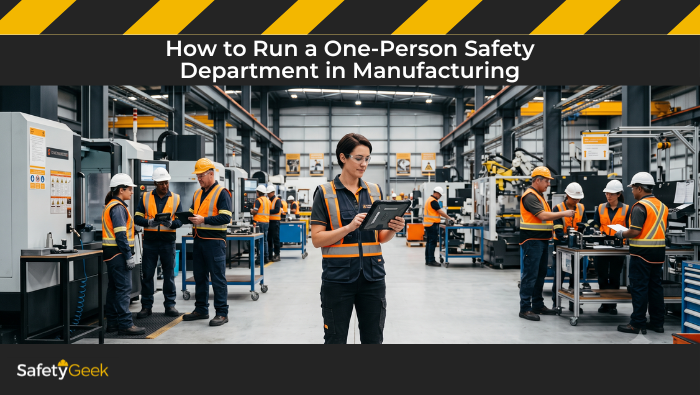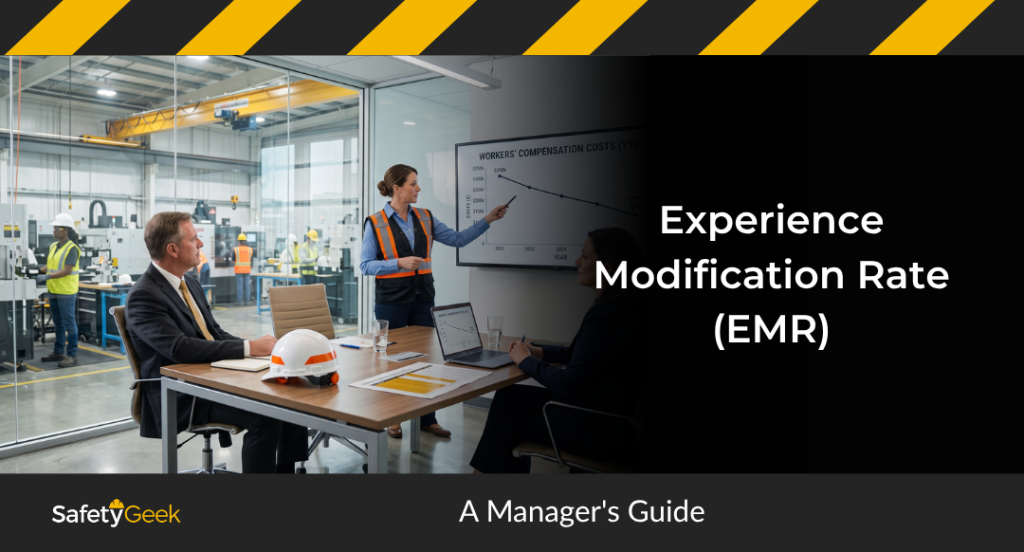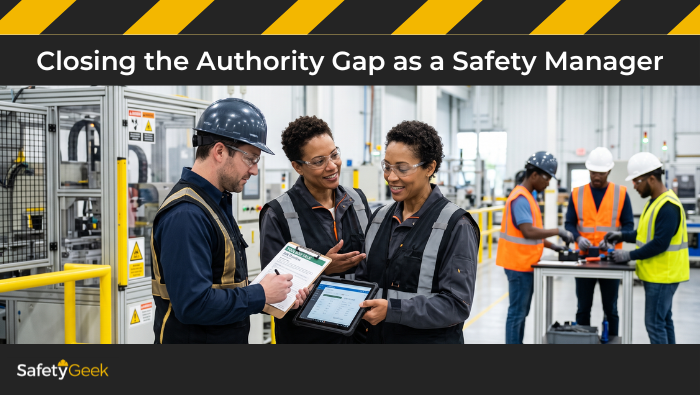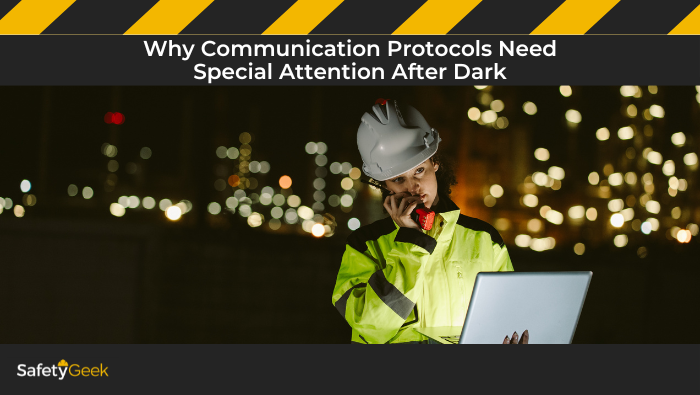
Nighttime construction is becoming more common because there are fewer daytime disruptions, like heavy vehicle traffic, pedestrian blockages and delivery bottlenecks. It can also help companies meet fast-tracked schedules. However, the night shift also comes with limited visibility, increased fatigue, environmental hazards and other challenges. In these conditions, communicating effectively becomes critical for the safety and efficiency of everyone on-site.
Key Hazards and Communication Barriers at Night
As project demand grows and schedules tighten, night shifts are no longer rare. Roughly 25% of the adult workforce now works non-traditional hours, like nights, evenings and weekends.
Fatigue and Drowsiness
The problem with night shifts is that non-daytime work disrupts natural circadian rhythms. Fatigue accumulates faster at night due to the misalignment with natural body rhythms. Workers can experience micro-sleeps or lapses in attention.
Consider how fatigue and after-hours decision-making have contributed to devastating, high-profile incidents. In 1986, the Chernobyl nuclear disaster started at 1:23 a.m. due to human error. That same year, the space shuttle Challenger exploded after a malfunction and poor decision-making. Reports show that some of the project’s essential managers were sleep-deprived, as they had been working since 1:00 a.m. the day of the incident.
Isolation and Psychosocial Risks
Many night shift workers work in isolated, poorly supported environments, which amplifies psychosocial risks. Poor communication can perpetuate a loop of stress, confusion and mistakes. Supervisors and peers are less accessible, increasing the odds of signals being misinterpreted or ignored. Stress from work-life imbalance and unclear expectations can further complicate interactions.
Environmental Hazards
Bad weather conditions add extra danger after dark. Wet, icy or windy conditions can increase slip and fall risks, especially when visibility is already compromised. The danger is greater in areas like scaffolds, rooftops and uneven ground. Plus, night shifts with poor weather coordination raise the chances of a misstep or equipment malfunction going unnoticed.
Why Standard Daytime Protocols Fall Short After Dark
Standard protocols don’t account for the visual impairments and spatial disorientation workers face after sundown. Shadows and dim lighting can hide hazards. Construction tasks that workers can do with a simple overhead light may require headlamps, work lights and reflective equipment at night. Enhanced illumination becomes an essential requirement for many jobs.
While night work helps workers avoid high daytime traffic volumes, it also demands safer setups. Managers must implement carefully planned traffic control protocols in places with machinery or vehicular activity. Barriers, reflective warning signs and coordinated signaling are a must. After all, drivers are more likely to miss instructions or warnings after dark, especially when they’re tired.
Regarding personal protective equipment, crews must include highly visible outer garments in their after-dark uniform. High-quality lighting is also essential to make every worker stand out against backdrops of moving vehicles or equipment.
As a safety manager, you can also add extra checks at the start of each shift. Ensure everyone’s gear is up to the required reflective standards and double-check the quality and positioning of high-visibility clothing and equipment. Test radios, headsets and hand signals, as informal face-to-face instructions may become unreliable under low-light conditions.
Building Effective Nighttime Communication Protocols
If you’re entering or transitioning to a new site, start with a safety and communication baseline review in the first 90 days to assess the current conditions. Map out where communication tools might fail after dark, like poor signal in certain site zones, weak alarm audibility or lighting that doesn’t cover the whole work area. Here are other communication-boosting strategies:
- Use two-way radios, group texting and redundant visual and audio signaling to keep your workers looped in when verbal communication becomes unreliable.
- Make hand signals more visible with illuminated batons, glow sticks or strobe-equipped vests.
- Establish weather-specific protocols, like stopping work or escalating monitoring during rainy, windy or icy conditions.
- Ensure everyone knows that they can call for a pause when the weather deteriorates rapidly.
- Conduct scenario-based drills to ensure workers feel prepared to spot miscommunications and raise issues before accidents occur.
- Encourage a culture of open dialogue by clarifying expectations and urging your team to report issues immediately.
Championing Communication for a Safer Night Shift
Brighter lights and reflective vests alone won’t cut it for safer and more productive night shifts. You need custom, open and well-rehearsed communication protocols. Risks diminish and efficiency increases when every worker feels supported and responsible for safe communication. Review, refresh and retrain your team on night-specific protocols regularly. The project’s success depends on it.
Hi, I'm Brye (rhymes with sky)! I am a self-proclaimed safety geek with two decades of general industry safety experience. Specializing in bringing safety programs to a world-class level and building a safety culture, I have trained and coached many safety managers, just like you, on how to effectively manage workplace safety in the real world. I would love to help you too.