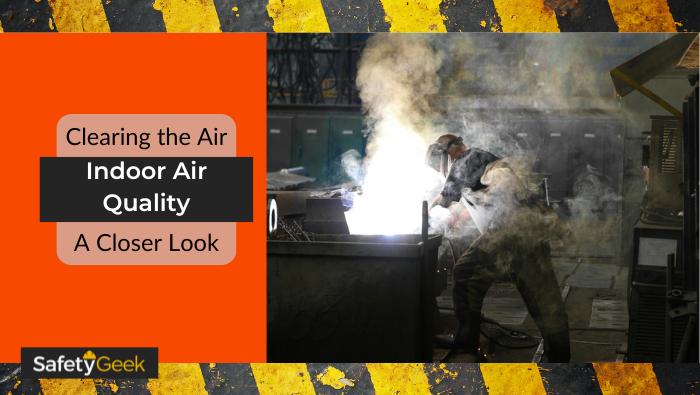
Poor indoor air quality in industrial settings can do more than affect comfort. It can influence productivity, increase health complaints, and contribute to regulatory violations. Addressing air quality requires more than good intentions. It demands precise action and specialized tools.
Sources of Contaminants in Industrial Spaces
Industrial environments are often filled with airborne pollutants. Welding fumes, solvents, dust from cutting or grinding, and chemical off-gassing are common contributors. These particles linger in the air and can be inhaled, affecting respiratory health and compounding risks for workers with preexisting conditions. The layout of the space and the type of work being done significantly impact how these contaminants move and settle. Confined areas without proper airflow or filtration become hotspots for exposure.
Why Ventilation Is Not Always Enough
Standard ventilation systems are a starting point, but they rarely cover all the needs of a high-output workspace. Large fans or open doors may offer temporary relief but fail to remove finer particles or harmful vapors. Targeted extraction systems, such as localized fume arms and ceiling-mounted air cleaners, provide a much more focused and reliable solution. Placement of air intake and exhaust points should also reflect the nature of operations in the facility. One-size-fits-all layouts frequently miss the mark.
Smart Engineering and the Role of Dampers
To keep airflow consistent and controlled, adjustable components can help balance the distribution of air across zones. These devices regulate air movement in ventilation ducts, helping maintain optimal pressure and direction. Improper airflow not only reduces system efficiency but also allows pollutants to stagnate in corners of the building. Butterfly dampers offer a simple yet effective adjustment tool, especially in facilities with changing production schedules or varied equipment output.
Air Quality Testing and Maintenance Are Non-Negotiable
Routine monitoring with particulate counters and gas detectors helps flag issues before they escalate. Relying on symptoms such as complaints of fatigue or headaches is reactive. Preventive strategies include scheduling filter replacements, inspecting ducts for buildup, and auditing airflow patterns regularly. A clean facility is not necessarily a safe one if the air is saturated with invisible contaminants.
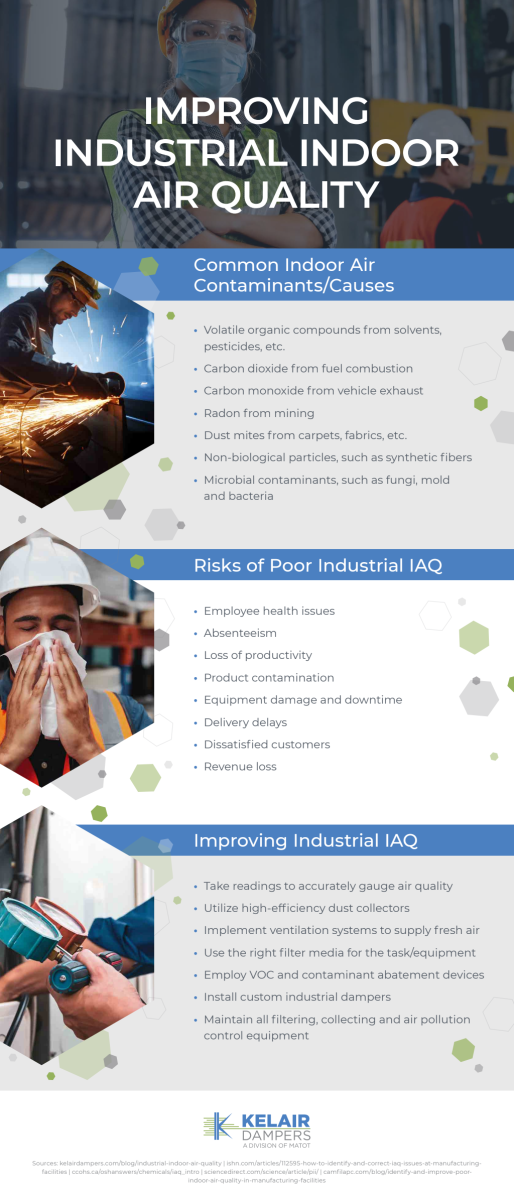
Good air quality supports fewer absences, lower healthcare costs, and stronger morale. Even subtle improvements in airflow and filtration can produce noticeable changes in employee well-being. Investing in the right equipment and maintenance schedule goes beyond compliance. It reflects a long-term commitment to health and efficiency. For more information, check out the infographic below.
Jeremias Schreyer is National Business Development Manager for Kelair Dampers, a privately held company specializing in manufacturing industrial dampers for air conditioning since 1987. He has 10 years of experience in the industry, performing duties such as content creation, web development, marketing campaigns, business development and plant inspection.