Workplace emergencies involving medical situations rarely come with advance notice. Whether it is a fall in the warehouse or an employee showing signs of a stroke during a meeting, the first few minutes can determine the outcome. A well-prepared team and a clear decision-making protocol help reduce confusion and minimize harm.
Recognizing True Medical Emergencies
One of the most challenging aspects of workplace safety is determining whether a situation calls for professional medical assistance. Warning signs like chest pain, sudden confusion, slurred speech, loss of consciousness, uncontrolled bleeding, or breathing difficulty require immediate action. Employees should be trained to identify these red flags and respond without hesitation. Delaying a 911 call due to uncertainty wastes precious time. Even if a situation turns out to be less serious, it is better to err on the side of caution.
Chain of Command and Roles During a Crisis
Organizations that operate with a defined emergency response plan reduce chaos. Assign roles before a crisis strikes. For instance, one person should call emergency services, another should retrieve any emergency supplies or AEDs, and someone else should be responsible for meeting first responders at the entrance to guide them to the scene. During the emergency, documentation also matters. Recording the timeline of symptoms, actions taken, and witness names is helpful later for reports or legal follow-up.
Workplace Responsibility Continues After the Emergency
Once the immediate crisis is resolved, employers must continue with follow-up steps. That includes reviewing the incident, checking that all safety protocols were followed, and possibly retraining staff if gaps were revealed. Documentation should be stored securely and confidentially, especially if injuries could lead to insurance claims or investigations. At times, communication with external agencies may be necessary. This is where having access to services like an attorney messenger service can speed up document delivery without disrupting the workplace further.
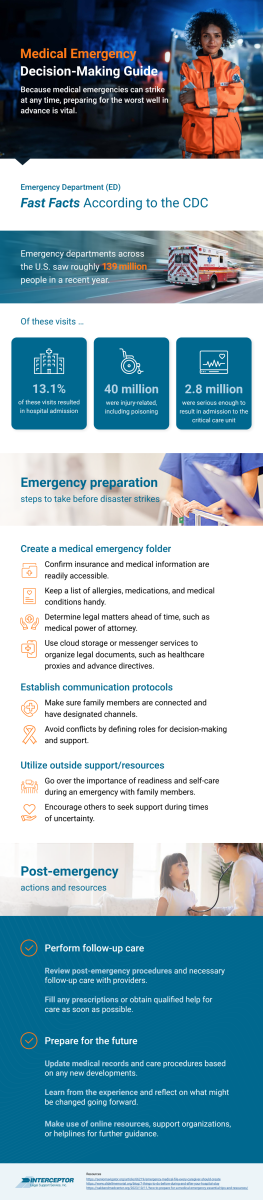
Workplace health and safety is not about one-time training sessions. It involves regular refreshers, drills, and leadership that prioritizes readiness. Even employees who are not in management positions should know how to act in a crisis. Creating a responsive, informed culture makes a difference not only in outcomes but in employee confidence and morale. For more information, look over the accompanying resource below.
Hugh Rutherford is President of INTERCEPTOR, a company that has provided reliable, quality legal support to Oakland, CA and the surrounding Bay Area for nearly four decades. Rutherford has been in the legal Industry for 5-plus years and has been a business consultant for more than 10 years. With an eye toward standardization, digitalization, and modernization, Rutherford has been changing INTERCEPTOR into a fast and dynamic legal service.