If you’re an early-career safety professional, you already know the importance of workplace safety training. It’s foundational—not just a checkbox or a routine task—but the very backbone of a safe, productive work environment. Yet, the reality is, simply delivering training isn’t enough. The true impact lies in ensuring that your team understands, internalizes, and applies what they learn every single day. That’s where many safety programs fall short, and where your leadership can make all the difference.
The Importance of Workplace Safety Training: Beyond Compliance
When I first stepped into a safety role early in my career, I assumed that training was effective the moment the video ended or the quiz was passed. But I quickly learned that’s just the starting line, not the finish. Training that isn’t fully understood or reinforced falls flat, leaving employees confused, disengaged, or worse—at risk.
Workplace safety training is vital because it empowers employees with the knowledge and skills to recognize hazards, follow procedures, and protect themselves and their teammates. It builds a culture where safety isn’t forced but embraced. For you, as a safety professional aiming to build respect and influence, understanding this dynamic is crucial. When your training creates real understanding, it builds trust and credibility that management and employees notice.
Why Understanding Safety Training Is More Critical Than You Think
Here’s a simple truth: Information alone doesn’t change behavior. Your employees may have watched the training video, clicked through quizzes, and even nodded along in discussions, but if their understanding hasn’t been measured—or if they don’t see the real-world application—they’re unlikely to adopt safer habits.
I remember working with a team once where the training was technically well-designed, yet incidents kept happening. What was missing? Management wasn’t reinforcing the lessons. Coaching moments were rare, and observations lacked feedback. Without that ongoing engagement, training became something people endured, not valued.
This gap between “training delivered” and “training understood and lived” is where many safety initiatives lose steam. That’s why the importance of workplace safety training is in continuous learning, not a one-and-done event.
How to Measure Understanding: Go Beyond the Quiz
Measuring understanding isn’t just about passing scores. Here are few techniques I’ve found impactful in gauging whether your workforce truly “gets it”:
- Interactive Discussions and Scenario Role-Playing: Invite employees to talk through what they learned in the context of their actual work. Real-life scenarios spark deeper thinking and uncover hidden misunderstandings.
- On-the-Spot Observations: Watch how employees apply training in their daily tasks. Are they following procedures intuitively? Do they stop and think about hazards before acting?
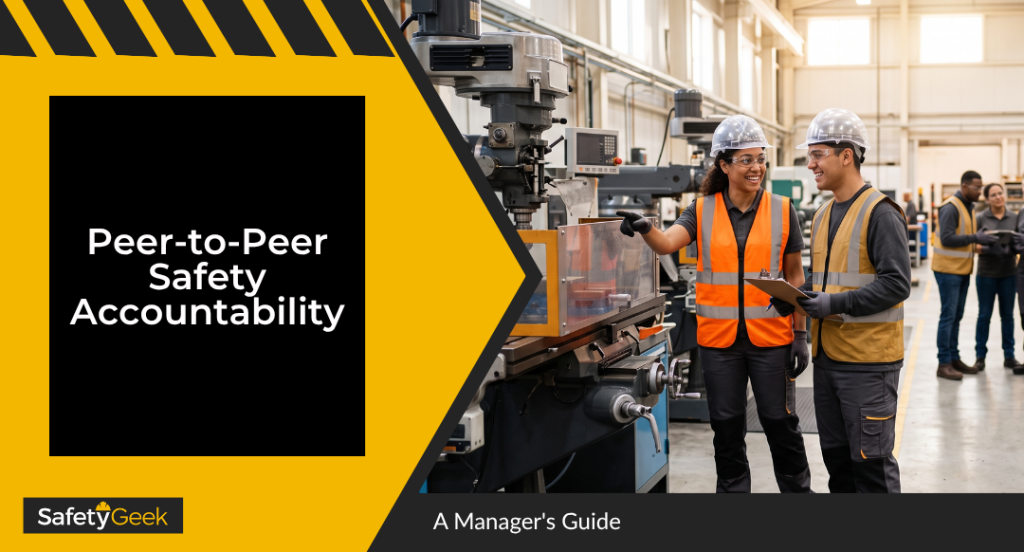
- Peer-to-Peer Feedback: Employees often learn and reinforce concepts best when they share insights and hold each other accountable.
By tracking these behaviors regularly, you gain real insight into learning retention and where refresher efforts are needed. The quiz is a milestone, but the journey continues.
The Importance of Workplace Safety Training: Reinforcement Through Leadership
As the bridge between safety policy and operations, your role as a safety professional is uniquely influential—especially when it comes to coaching and reinforcement. Training doesn’t end when the video stops playing; it’s just the foundation for ongoing conversations and leadership actions.
Management has a powerful role in championing safety culture. When supervisors and managers actively reinforce training through daily coaching and safety observations, it sends a clear message that safety matters. Their commitment helps translate knowledge into behavior.
When I coached new managers early in my career, I encouraged them to make safety a natural part of every interaction. Simple questions like, “What hazards did you watch for during that task?” or “Have you seen anything unsafe this week?” reinforce training content and keep safety top of mind. These small but consistent moments build respect for both safety protocols and those leading the efforts.
Creating an Engaged Safety Culture: It’s a Team Effort
Your safety journey isn’t a solo mission. The most effective programs are systems where employees know their input is valued, leaders prioritize safety discussions, and training is continuously refreshed and adapted based on real experiences.
Remember the ambitious safety pro I once mentored? She felt overwhelmed but committed to gaining management buy-in. By partnering with supervisors to develop monthly safety conversations based on training topics, she transformed her role. She became respected not just for delivering compliance but for helping everyone solve safety challenges together. That’s the power of building understanding—and influence.
Now It’s Your Turn: Take These Actionable Steps
You don’t have to navigate this journey alone. Here are three practical moves to reinforce the importance of workplace safety training in your environment:
- Assess Understanding Beyond Tests: Start incorporating discussions, observations, and peer feedback into your evaluation process. Schedule regular safety talks that connect training to daily work challenges.
- Engage Management in Reinforcement: Partner with supervisors to coach employees post-training. Develop short, consistent observation check-ins that focus on applying learned practices.
- Create a Continuous Learning Cycle: Treat training as the beginning, not the end. Use real incident reviews, lessons learned, and shared experiences to keep safety top of mind.
By shifting from “train-and-forget” to “train-and-mentor,” you’ll build a safer workplace and a stronger reputation as a leader who drives results with empathy and integrity.
Workplace safety training is your foundation. Your ongoing commitment to understanding, reinforcing, and leading that training will shape your success and the well-being of everyone you serve. You’ve got what it takes to make safety more than instructions on paper—it can become a culture, a mindset, and your path to leadership.
Stay curious, stay compassionate, and keep building those systems that make safety simple, impactful, and real.
You’ve got this.