Estimated Reading Time: 6 minutes
Are you overwhelmed juggling safety protocols across multiple systems? You’re not alone. The chaos of managing spreadsheets, forms, and emails can make safety feel like a burden. That’s where Integrated SMS benefits come into play.
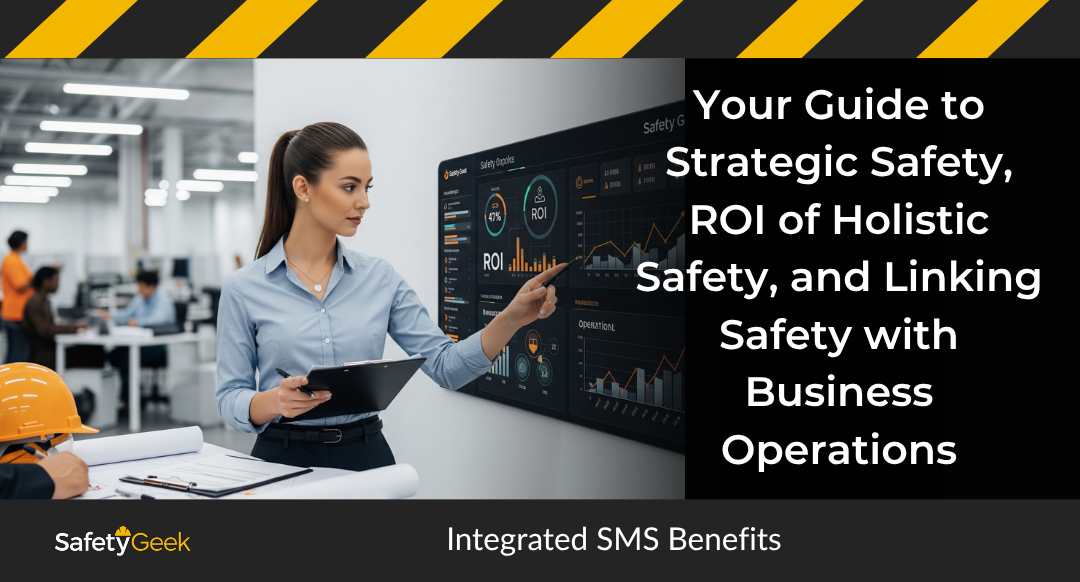
Integrated Safety Management Systems (ISMS) simplify safety by unifying protocols, policies, and procedures into one streamlined platform. This integration not only enhances compliance confidence but also links safety with business operations, unlocking the ROI of holistic safety.
In this guide, we’ll explore how integrating your safety management system can transform chaos into teamwork, boost engagement, and align safety with your business goals.
Key Takeaways
- Unified Platform: Integrated SMS unifies all safety data into a single platform, simplifying processes and improving visibility.
- Enhanced Advantages: Real-time data access, streamlined documentation, and stronger safety culture are key benefits.
- ROI of Holistic Safety: Significant cost savings and operational efficiencies are realized through integration.
- Linking Safety with Business: Transform safety into a strategic asset by linking it with business operations.
- Actionable Steps: Map processes, choose the right platform, roll out in phases, and continuously improve.
Imagine you’re a safety manager juggling spreadsheets, forms, and emails across three different systems—sound overwhelming? You’re not alone. Many safety leaders feel swamped trying to pull everything together, missing out on the bigger picture. That’s where Integrated SMS benefits come in: simplifying safety, unlocking the ROI of holistic safety, and creating true harmony between safety and business operations. This is your guide to making safety management feel less like chaos and more like teamwork.
What Is an Integrated Safety Management System? (and Why ‘Integrated SMS Benefits’ Rock)
Picture collecting all your safety data in one giant calendar-style spreadsheet—easy to access, zero chasing lost paperwork. This is the heart of an Integrated Safety Management System (ISMS): blending every protocol, policy, and procedure into a single, streamlined platform. In the real world, most companies wrestle with fragmented systems, leading to gaps, silos, and missed risks. Our approach? A systemized method of processes that keeps safety running smoothly, aligned, and continuously improving. Defining Safety Responsibilities ensures everyone knows their role in maintaining this integrated system.
THE ALL-ACCESS PASS RESOURCE PAGE
Get all the FREE templates, safety management resources, PDFs, spreadsheets, and more...
Top Advantages of Integrated Safety Management System
Let’s break down the real advantages of integrated safety management system that make your workday smoother and your safety program more effective. These aren’t just features on a spec sheet—they’re game-changers for busy safety professionals.
- Improved Visibility and Real-Time Data:
No more toggling between 12 tabs—get dashboards that let you spot issues instantly and act fast. Imagine seeing trends before they become headlines – You get me? What to Look for in a WWS Safety Inspections can further enhance your inspection protocols with integrated data insights. - Streamlined Processes and Consistent Documentation:
Say goodbye to chasing down forms. Every record is in one place, updated, and audit-ready. Ever spent a Friday afternoon printing and updating incident reports, printing and saving to files? Not anymore! Refer to How to Create a Written Safety Program They Will Follow for maintaining seamless documentation. - Enhanced Compliance Confidence:
Be your team’s Wonder Woman (or Superman) when auditors show up—automated reminders and reports have your back. - Stronger Safety Culture and Engagement:
With everything transparent and accessible, the whole team is onboard, feeling supported and included. People actually participate because it’s easy, and it matters. How to Improve Employee Engagement in Safety dives deeper into fostering an engaged workforce. - Personal anecdote: Remember the last time three team leads sent you different versions of the same incident report? Integrated SMS fixes that—one record, one source of truth.
Calculating the ROI of Holistic Safety
Let’s talk “ROI of holistic safety”—awesome numbers you can show your boss without a calculator meltdown. Instead of just tracking compliance, measure:
- Incident cost reduction
- Less downtime from injuries or investigations
- Lower insurance premiums
- Improved morale scores (yes, smiles count!)
Mini case study: A mid-size plant that switched to an integrated system saw incident rates drop 25% and saved $50,000 per year by cutting report times and insurance costs. How Defining Safety Responsibilities can help ensure these savings are realized across all departments.
Linking Safety with Business Operations
When you start linking safety with business operations, safety goes from “another checkbox” to a strategic asset. Think safety metrics embedded right next to production KPIs, cross-functional teams for regular safety + ops meetings, and real-time alerts that sync with maintenance planning.
Short story: One safety manager and an operations lead began weekly “safety-ops” coffee chats, eliminating scheduling clashes and doubling the speed of safety fixes. They became the workplace’s new dynamic duo.
How to Start Your Integrated SMS Journey
- Map your existing processes (grab that trusty flowchart or spreadsheet)
- Choose or build an integrated platform (vendor checklist: real-time data, compliance tools, user-friendly dashboards)
- Roll out in phases, collecting feedback from your frontline squads
- Measure, refine, and celebrate each win—call out successes in team meetings, hand out branded stickers (everyone loves swag!)
For more on building effective committees, check out 8 Sure Fire Ways To Get Them On Your Safety Committee.
Conclusion & Next Steps
To recap: Integrated SMS benefits make safety simpler, operations smoother, compliance less stressful, and your ROI easy to measure with holistic safety. By linking safety with business operations, you empower your team and your bottom line. You got this—no worries! If you need a spreadsheet buddy, reach out.
Now It’s Your Turn
Ready to transform your safety management chaos into streamlined teamwork? Start by mapping out your current safety processes and identify areas where integration could make a difference. Reach out to your team to gather insights, and don’t hesitate to explore integrated platforms that align with your needs. Celebrate small wins along the way to keep the momentum going!
Frequently Asked Questions
What is an Integrated Safety Management System (ISMS)?
An ISMS combines all safety protocols, policies, and procedures into a single, streamlined platform. This integration enhances efficiency, compliance, and overall safety culture within an organization.
How does an Integrated SMS benefit my organization?
Integrated SMS benefits include improved visibility, real-time data access, streamlined processes, enhanced compliance confidence, and a stronger safety culture. These benefits lead to operational efficiencies and cost savings.
How can I calculate the ROI of implementing an Integrated SMS?
Calculate ROI by measuring incident cost reduction, decreased downtime from injuries or investigations, lower insurance premiums, and improved employee morale. An integrated system can provide tangible savings and efficiency gains.
What steps should I take to implement an Integrated SMS?
Start by mapping your existing safety processes. Choose an integrated platform that fits your needs, roll out the system in phases, collect feedback, and continuously measure and refine your approach.
How does linking safety with business operations benefit my company?
Linking safety with business operations transforms safety from a compliance task into a strategic asset. It enhances collaboration, embeds safety metrics alongside business KPIs, and aligns safety goals with overall business objectives.
Have a safe and productive day!
Hi, I'm Brye (rhymes with sky)! I am a self-proclaimed safety geek with two decades of general industry safety experience. Specializing in bringing safety programs to a world-class level and building a safety culture, I have trained and coached many safety managers, just like you, on how to effectively manage workplace safety in the real world. I would love to help you too.