Estimated Reading Time: 7 minutes
When establishing a solid forklift safety program, using free forklift safety program templates can significantly ease the process. These templates provide a structured foundation that saves time and reduces errors, helping you build a comprehensive safety system efficiently. Leveraging these resources allows you to focus on tailoring the program to your specific workplace needs.
This guide explores essential tools, including top-rated free PIT safety manuals and pre-shift inspection sheets, that are crucial for a thorough powered industrial truck (PIT) safety program. It also offers advice on incorporating the best safety equipment to maximize protection.
By following this ultimate guide, you will be equipped to create a forklift safety program that enhances team safety, lowers costs, and ensures compliance with OSHA regulations.
Key Takeaways
- Templates streamline building your forklift safety program by ensuring consistency and saving significant drafting time.
- High-quality free PIT safety manuals from trusted sources form a strong foundation for training and hazard assessment.
- Daily pre-shift inspection sheets are critical to identifying issues early and preventing accidents.
- Incorporating safety equipment such as high-visibility vests and backup alarms complements your program effectively.
- Continuous improvement and employee engagement are vital to sustaining the success of your safety program.
When you need a solid forklift safety program, staring at a blank page can feel overwhelming. Instead of building everything from scratch, free forklift safety program templates give you a huge head start on compliance and consistency. These resources help you focus on strengthening your program instead of reinventing the process.
This ultimate guide walks you through the essential tools for powered industrial truck safety. First, you’ll find top-rated free PIT safety manuals from trusted organizations. Next, you’ll see how to structure a pre-shift inspection sheet covering every critical checkpoint. To finish, get tips on the best forklift safety equipment to pair with your documentation for maximum protection.
By the end, you’ll be ready to build a forklift safety program that covers team protection, reduces costs, and helps you meet OSHA compliance requirements.
What Is a Forklift Safety Program & Why Templates Matter
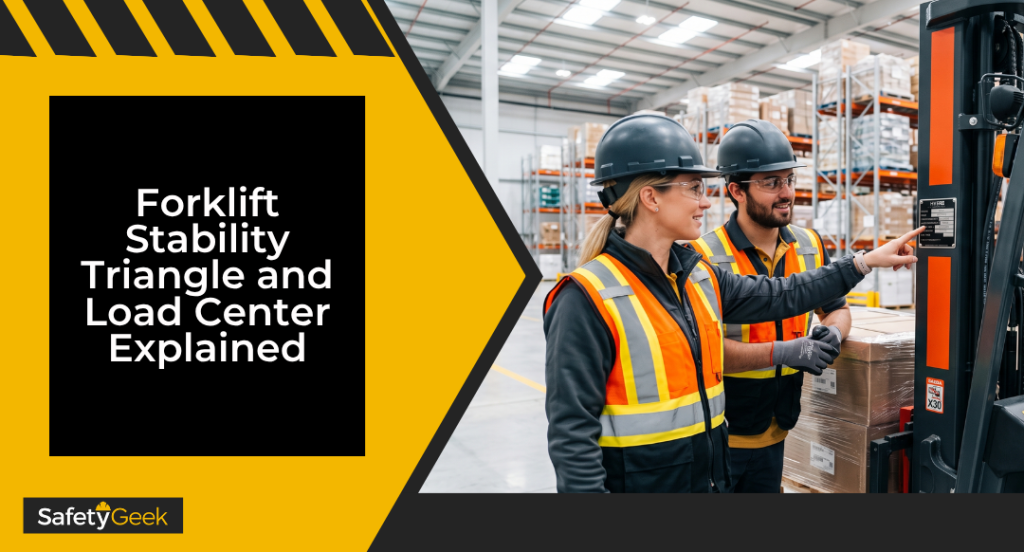
A forklift safety program is a set of policies, training plans, and inspection tools that keep powered industrial trucks running safely at work. It’s your roadmap for preventing accidents, building better training, and keeping your equipment in top shape.
Forklift safety program templates save you effort and mistakes. Here’s why they are essential:
- Save time drafting documents
- Keep procedures consistent across shifts
- Make it easier for employees to follow safety steps
- Provide documentation for compliance
Without templates, safety checks get handled in different ways by each person or shift, leading to gaps and potential risks. Templates make sure everyone follows the same core standards.
The most effective safety programs use templates as a starting point, but you can adapt them to your needs. Focus on your unique hazards, equipment, and teams by customizing these foundations.
Templates are especially helpful during audits. Inspectors want to see that you have a thorough plan, not just a collection of notes. They also help clarify who is responsible for each part of the program. For more on assigning duties clearly, the post on Defining Safety Responsibilities shows how clear roles boost consistency and accountability.
THE ALL-ACCESS PASS RESOURCE PAGE
Get all the FREE templates, safety management resources, PDFs, spreadsheets, and more...
Free PIT Safety Manuals: Your Go-To Resources for Forklift Safety Program Success
A quality PIT safety manual walks you through training, hazard assessment, maintenance, and emergency steps for your powered industrial trucks. These manuals provide a strong foundation for any forklift safety program.
Here are the best free forklift safety program template resources:
- OSHA Sample Forklift Safety Program: Covers required training, operator certification, and strong compliance language.
- VADAGSIA Sample Forklift Safety Program: Practical forms and checklists, especially thorough on hazard identification.
- D2000 Safety Model Program: Strong training modules and well-developed assessment tools.
- Scribd Sample Program: Clear policy statements and incident reporting procedures.
- UC Berkeley EHS Forklift Program: In-depth hazard assessment and organized inspection protocols.
The key is to review all five and choose a base that fits your worksite. You might combine VADAGSIA’s checklists with Berkeley’s inspection plans or use OSHA’s compliance section together with D2000’s training. Take what fits, adapt it, and fill in the gaps.
To make training stick, check out tips for training methods that boost knowledge retention. It’s especially helpful when customizing these manuals for your sessions.
Start with one manual as your foundation. Layer improvements from others over time, so you don’t overwhelm your team or the process.
PIT Pre-Shift Inspection Sheet: A Must-Have for Every Forklift Safety Program
Daily pre-shift inspections are your first defense against equipment failure and accidents. These routine checks catch early problems and prevent costly downtime. OSHA makes daily inspections a must, but the real value goes beyond checkboxes. It’s about keeping everyone safe.
Your inspection sheet should cover:
- Brake and parking brake function
- Horns, backup alarms, and lights
- Forks and mast condition
- Tires and inflation
- Fluid level checks (hydraulic oil, coolant)
- Seat belts and restraints
- Warning labels and mirrors
Use a simple structure: Date | Operator Name | Equipment ID | Inspection Item | Pass/Fail | Comments. This format documents safety and keeps daily checks easy for everyone.
Read more on finding issues during inspections and why good practices matter in What to Look for in a WWS Safety Inspections.
A systematic approach makes a difference. If an operator finds fluid leaking, the inspection sheet triggers a quick response before a failure happens. The clear process and accountability build real safety habits.
Keep your completed inspection records for audits and analyze them for trends. This helps schedule preventive maintenance and track down repeated problems.
For more ideas on building ownership around habits like inspections, the post on How Employee Engagement Makes Safety Management Easy has practical ways to get your operators invested and motivated.
Best Forklift Safety Equipment: Making Your Forklift Safety Program Complete
Your safety program works best when it’s supported by the right equipment. Here’s what you need for full-circle protection:
- High-visibility vests and signs: Keep operators seen, especially around loading docks and busy intersections.
- Safety helmets and gloves: Shield against dropped items and help maintain grip.
- Seat belts and restraints: Prevent ejection in case of tip-over, a leading cause of injuries.
- Backup alarms and strobe lights: Make forklift movement clear, especially in noisy work areas.
- Convex mirrors and spotter systems: Improve line-of-sight in tight spaces.
- Floor marking tape and barrier posts: Mark walkways and zones to cut down on collisions.
To see how procedures and gear combine for awesome results, visit How to Build a Health & Safety Program That Runs Like a Machine.
Don’t forget about maintenance reminders for alarms and seatbelts; try spreadsheet alerts or regular calendar checks (see section three of VADAGSIA’s Forklift Safety Program for maintenance tips). Consistent inspection and upkeep mean fewer surprises and safer operations. Learn more about repeatable safety management by checking out Safety Management Systems.
How to Build Your Own Forklift Safety Program Using These Tools
- Gather the manuals, inspection checklists, and equipment recommendations above.
- Personalize templates with details unique to your facility and hazards; start with VADAGSIA, D2000, or UC Berkeley resources.
- Use digital tools or simple spreadsheets to track inspection checklists, training, and equipment maintenance.
Remember, no forklift safety program is ever “finished.” Every improvement brings you closer to a safer workplace, and those steady steps create big changes.
To keep your improvements rolling, use the strategies from Using the Continuous Improvement Process in Your Safety Program. When you treat safety as a living system, you get better buy-in from your team and managers.
Now It’s Your Turn
It’s time to take action:
- Download one of the free forklift safety program templates and review it with your team.
- Create or update your pre-shift inspection sheet using the sample checklist items above.
- Walk your workspace and audit safety equipment. Check for working seatbelts, alarms, and clear signage.
- Save digital copies of your manuals and inspection records for easy auditing.
- Plan a quick training or toolbox talk to kick off your enhanced program.
For more support, visit the Safety Geek blog for free resources and tips on implementation and management buy-in, like Why Management Support is So Vital to a Safety Program.
Building a strong forklift safety program is a series of small, smart steps. Use these guides and templates as your launchpad. You Got This, and your team’s safety will show it every single day. Have a Safe Day!
Frequently Asked Questions
What is the primary benefit of using forklift safety program templates?
The primary benefit is that templates save time and ensure consistency across shifts and teams. They reduce the risk of key safety steps being missed and simplify compliance documentation, making it easier to maintain a robust safety program.
How often should forklift pre-shift inspections be conducted?
Pre-shift inspections should be conducted daily before any forklift operation begins. Regular inspections help detect early equipment issues, prevent accidents, and maintain OSHA compliance.
Can I customize these free forklift safety manuals and templates for my facility?
Absolutely. These templates serve as a starting point and should be customized to reflect your facility’s unique hazards, equipment, and workforce. Tailoring ensures relevance and better safety outcomes.
What types of safety equipment are essential for supporting a forklift safety program?
Essential equipment includes high-visibility vests, safety helmets, gloves, seat belts, backup alarms, strobe lights, convex mirrors, and floor marking tools. This gear complements training and procedures to provide comprehensive protection.
How do I maintain ongoing improvement in my forklift safety program?
Ongoing improvement comes from treating safety as a continuous process. Use the Continuous Improvement Process, actively engage employees, track performance, and update your program regularly based on feedback and audit findings.
Hi, I'm Brye (rhymes with sky)! I am a self-proclaimed safety geek with two decades of general industry safety experience. Specializing in bringing safety programs to a world-class level and building a safety culture, I have trained and coached many safety managers, just like you, on how to effectively manage workplace safety in the real world. I would love to help you too.