Estimated reading time: 8 minutes
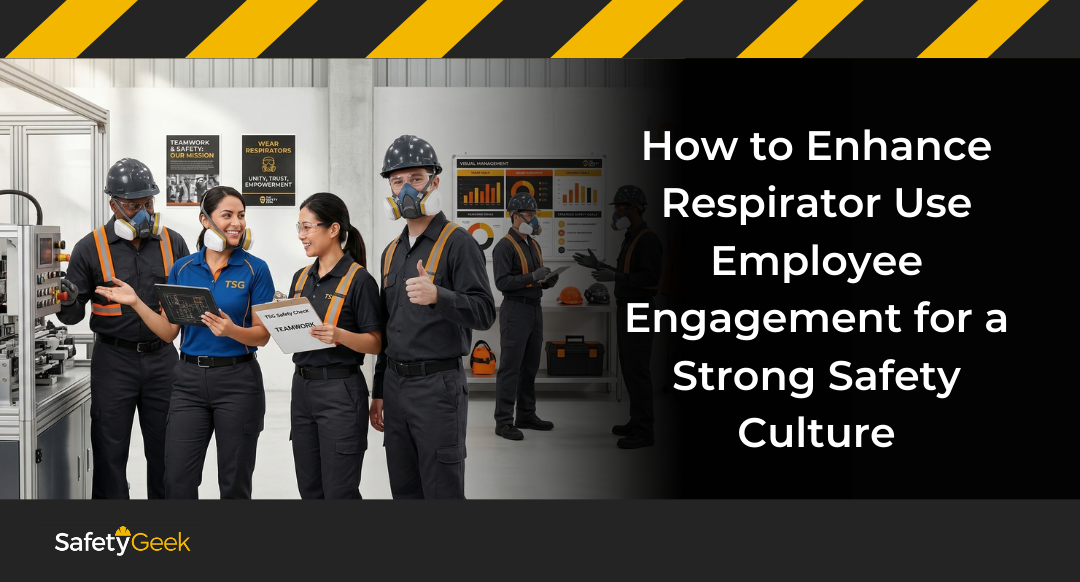
Respirator use employee engagement is essential for creating a strong safety culture that goes beyond simple compliance. This post explores how actively involving employees in selecting, wearing, and maintaining respirators leads to better protection and a safer workplace overall. Building a culture where workers truly care about respiratory safety fosters consistent use and reduces incidents significantly.
We discuss practical strategies to move from policy-driven programs to engagement-driven initiatives. By focusing on trust, transparency, leadership, and voluntary participation, safety leaders can support lasting improvements in respiratory protection.
Below, you’ll find actionable recommendations and a deep dive into why employee engagement is the cornerstone of effective respirator use programs.
Key Takeaways
- Engaged employees actively participate in respirator selection, use, and maintenance, improving safety outcomes.
- Respirator safety culture relies on trust, transparency, shared responsibility, and open communication.
- Voluntary respirator use is more sustainable when workers understand hazards and have a voice in equipment decisions.
- Safety leadership involves leading by example, empowering workers, and fostering two-way feedback.
- Integrating respirator engagement into broader safety programs enhances overall workplace health and productivity.
- Consistent feedback, recognition, and data-driven improvements sustain long-term success.
How to Enhance Respirator Use Employee Engagement for a Strong Safety Culture
Respirator use employee engagement involves employees taking responsibility for selecting, wearing, and maintaining their protective equipment. It is about understanding why respiratory protection matters and being invested in healthy, safe workplaces.
Low engagement leads to inconsistent use, increased stress, and poor safety results. Workers rush fit checks, skip cleaning, or only wear respirators when watched.
This guide gives safety leaders practical ways to move past enforcement. By building a respirator safety culture, promoting voluntary respirator use, and supporting safety leadership for respiratory hazards, you can boost protection across your team.
Why Employee Engagement Is Critical for Respirator Use
Engaged employees do more than follow rules, they protect themselves and those around them.
Employee attitudes drive cleaning, fit checks, and proper storage of reusable respirators. Engagement means understanding their actions have personal and team impact.
The evidence is clear: Highly engaged teams see 70% fewer safety incidents. Studies show that trust and participation increase workers’ preference for reusable respirators.
Engagement creates a cycle of improvement. Forty-three percent of engaged workers receive weekly safety feedback compared to only 18% of less engaged coworkers. When people are heard and supported, they participate in safety leadership for respiratory hazards.
Instead of relying only on mandatory training or discipline for non-compliance, engaged workplaces see workers take initiative. They seek out protection and even train peers. That is the goal of strong respirator use employee engagement.
Fostering a Respirator Safety Culture
A respirator safety culture centers on shared values, trust, transparency, responsibility, and open communication. It grows from worker experience and involvement.
Key elements of a respirator safety culture:
- Trust: Leaders model proper respirator use
- Transparency: Workers share concerns without fear
- Shared responsibility: Teams support correct donning, doffing, and maintenance
- Open communication: Toolbox talks, updates, and easy feedback
- Continuous improvement: Reviews of metrics with worker input
When your team tries reusable respirators, consider setting up central cleaning stations and using public participation statistics to celebrate progress. Create committees for equipment feedback so employees have buy-in.
Workshops led by respected peers, not just managers, promote best practices and increase buy-in. An annual EHMR demonstration improved usage rates, built employee pride, and raised safety climate perceptions.
Progress takes time, but you’ll see signs: workers help each other with fit checks, report damaged gear, and discuss hazards. This means your efforts to foster a respirator safety culture are working.
THE ALL-ACCESS PASS RESOURCE PAGE
Get all the FREE templates, safety management resources, PDFs, spreadsheets, and more...
Promoting Voluntary Respirator Use Through Engagement
Voluntary use comes from culture and involvement, not just rules. Commitment is stronger when workers have a reason to use protection.
To promote voluntary respirator use:
- Offer practical education on real workplace hazards
- Get employees involved in respirator trials and feedback sessions
- Recognize safe behaviors with monthly awards or spotlights
Let workers try equipment and share feedback before rollout. Webinars led by medical directors can increase acceptance if they provide clear health information.
Peer influence is crucial. When coworkers explain why they prefer a certain respirator for comfort or durability, others listen and follow.
Safety Leadership for Respiratory Hazards
Safety leadership for respiratory hazards means leading by example, open communication, and empowering workers to speak up. Talking about protection is not enough. Leaders must model the behaviors they expect.
Strong leadership behaviors include:
- Leading by example, such as supervisors always using respirators when recommended
- Regular, two-way safety huddles for feedback
- Clear ways for workers to report fit or comfort problems
- Equitable enforcement that focuses on improvement
Leaders should receive hands-on training, including fit testing and hazard scenarios, so guidance is practical. Support peer champions who model good practices. Respect from coworkers often carries more influence than management alone.
Encourage feedback across all levels. Workers often provide practical tips that improve comfort and compliance.
Integrating Respirator Use Engagement Into Broader Safety Programs
Integrating respirator programs with overall safety reduces absenteeism, incident costs, and boosts productivity by showing health is a top priority.
To integrate respirator engagement:
- Use employee surveys to address discomfort or other issues
- Link respirator compliance rates and incident data in your safety dashboards
- Add respirator goals (such as fit checks) to overall safety scorecards
Start with engineering controls to limit hazards before relying on PPE. Combine ventilations systems, cleaning schedules, and respiratory protection for a layered solution.
Integrated strategies help workers see respirator use as part of a comprehensive culture of health and safety.
Practical Steps and Actionable Recommendations
Use this checklist to jumpstart respirator use employee engagement:
- Conduct surveys about comfort, training, and barriers. Gather honest feedback to drive improvements.
- Train leaders to model good habits and actively listen to concerns. Focus on practical safety huddles and feedback.
- Communicate across multiple channels with stories from employees. Engage through posters, team talks, and bulletins.
- Launch recognition programs to reinforce positive behaviors. Offer spot awards and public acknowledgment.
- Maintain regular fit testing and health monitoring. Monitor lung function to keep workers safe.
- Review data each quarter and adjust programs based on feedback and incidents.
When all elements work together, from leadership to feedback to recognition, workers understand the company’s commitment and respond with active participation.
Building Long-Term Success Through Sustained Engagement
Steady, genuine engagement brings long-term results. When you combine a strong respirator safety culture with strategies that promote voluntary use, positive changes stick.
Workers who feel heard help train new hires, identify risks, and improve systems. This builds a self-sustaining cycle where safety leadership for respiratory hazards comes from every level.
The payoff is clear: fewer incidents, lower costs, better morale, and a standout reputation for employee care.
Now It’s Your Turn
Take these steps to enhance respirator use employee engagement:
This week: Interview five frontline employees about their respirator experiences. Focus on comfort, training, and barriers. Listen for patterns and immediate solutions.
This month: Start a recognition program for positive respirator use. Highlight individuals in team meetings or on safety boards.
This quarter: Train supervisors on active listening and feedback collection techniques for safety concerns.
This year: Add respirator engagement metrics to your safety dashboards and set quarterly program review meetings with employee input.
Begin today with a conversation, a simple acknowledgment, or a leadership action that supports your team’s engagement in respiratory protection.
Frequently Asked Questions
Why is employee engagement important for respirator use?
Employee engagement ensures that workers not only comply with respirator policies but actively participate in selecting, maintaining, and correctly using their protective equipment. This leads to more consistent usage, improved safety outcomes, and a stronger overall safety culture.
How can I foster a respirator safety culture in my workplace?
Focus on building trust, transparency, and shared responsibility among workers and leadership. Encourage open communication through toolbox talks and feedback sessions, recognize safe behaviors, and engage employees in decision-making processes regarding respiratory protection.
What are the benefits of voluntary respirator use over mandatory compliance?
Voluntary respirator use driven by engagement leads to genuine commitment and sustainable safety behavior changes. Workers who understand the hazards and are involved in selecting their equipment are more likely to use respirators correctly and consistently, reducing incidents.
How can leaders support respiratory safety effectively?
Leaders should lead by example, participate in hands-on training, maintain open two-way communication, and empower workers to raise concerns. Recognizing positive behaviors and responding constructively to feedback are also key leadership actions.
How do I integrate respirator engagement into broader safety programs?
Use employee surveys and data integration to track respirator use alongside other safety metrics. Include respiratory protection goals in overall safety scorecards and combine engineering controls with PPE for a comprehensive safety approach.
Hi, I'm Brye (rhymes with sky)! I am a self-proclaimed safety geek with two decades of general industry safety experience. Specializing in bringing safety programs to a world-class level and building a safety culture, I have trained and coached many safety managers, just like you, on how to effectively manage workplace safety in the real world. I would love to help you too.