Estimated reading time: 8 minutes
Ever suit up in a hard hat and safety glasses, wondering if that thin barrier is REALLY all that keeps you safe from real harm? You’re not wrong to wonder. PPE is always the last line of defense in the safety system, not your first move. But when you make it part of a layered safety approach, it becomes the critical final shield against risks that no other control can zap completely.
But here’s the thing… most safety programs get the order WRONG. They toss on PPE and call it protection. But real protection means putting engineering controls, admin strategies, and strong training FIRST. PPE shines brightest when it closes the gap, not when it’s the only thing in play.
This post explores why PPE belongs at the end of the hierarchy of controls and how to integrate it effectively into your safety management system. You’ll learn practical guidelines for choosing, using, and managing PPE so it truly acts as your final shield, protecting workers from the residual risks that remain after every other control is in place.
Key Takeaways
- PPE sits at the bottom of the hierarchy of controls: Elimination, substitution, and engineering solutions come first.
- Know when PPE is truly required: Use it where other controls can’t fully protect.
- Master proper selection and implementation: Choose the right gear for real hazards through a system, not guesswork.
- Build accountability through coaching: Supervisors drive compliance, safety managers guide the whole process.
- Measure what matters: Track KPIs that actually prove PPE program VALUE.
- Integrate PPE into your Safety Management Cycle: From hazard spotting through ongoing improvement.
Why PPE is the LAST LINE, Not the FIRST or ONLY Solution
The hierarchy of controls is THE gold standard for risk reduction. You start with elimination, just REMOVE the hazard. Next is substitution, swap for something safer. Then layers like engineering controls (guards, barriers, ventilation) and administrative controls (training, rotation, clear rules). Only after all that does PPE come in as the backup shield.
PPE won’t REMOVE risk… it just lessens the HIT. If a hard hat is your only plan against forklifts, you haven’t changed the game at all. You’re just hoping the gear makes the difference between a bruise and a lost worker. That’s why relying on PPE first is always a last resort.
But don’t take “last line” to mean “least important.” PPE closes the loop in Phase 1 (Identify) and Phase 2 (Develop) of your Safety Management Cycle. Smart companies tie PPE into systems and real safety culture… not just compliance checklists.
Let’s say you run maintenance at a chemical plant. You’ve got ventilation, you trained the crew, signs are crystal clear. But when that valve cracks open, a little exposure can still sneak through. Only the respirator fills that last, dangerous gap. PPE covers what’s left after EVERY other control is maxed out.
The Importance of Personal Protective Equipment in Your Safety System
Personal protective equipment stands guard against residual risk, the slivers that stick around after you’ve attacked hazards from every angle. It’s safety insurance. Cut-resistant gloves come in AFTER tool guards are set. Safety glasses stay on even if enclosures work.
The costs of skipping PPE are never small. Incidents and claims prove that point. Maybe your welder works in a well-ventilated booth and follows every rule. Skip eye protection, and arc flash can STILL cause instant, permanent damage. That’s why PPE compliance is pure operational know-how, not busywork.
Companies that fit PPE into layered systems SEE results. Injury rates drop when PPE supports other controls, not when it’s the backbone. It all hinges on knowing your PPE: material, fit, certifications, and most importantly, its true limits.
Safety is the Golden Opportunity. When you can show the C-suite that PPE programs cut incidents, keep insurance costs down, and production going, you earn that seat at the table… and real budget power.
When to Use PPE: Clear, Practical Guidelines
Tie EVERY PPE decision to Phase 1 of your Safety Management Cycle: Spot real hazards first. PPE only becomes necessary for exposures left after bigger controls have done their best. When is PPE the must-have final barrier?
- Chemical handling after ventilation’s installed: Respirators and chemical gloves for those tiny but real vapor leaks
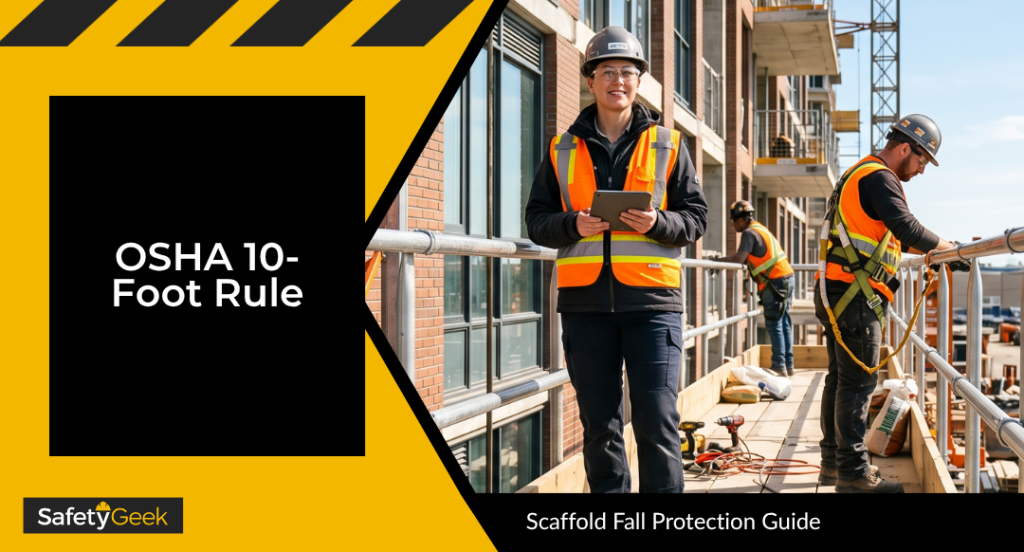
- Work at heights WITH guardrails: Fall harnesses where barriers just can’t reach every spot
- High-noise areas after noise controls: Hearing protection for what engineering couldn’t block
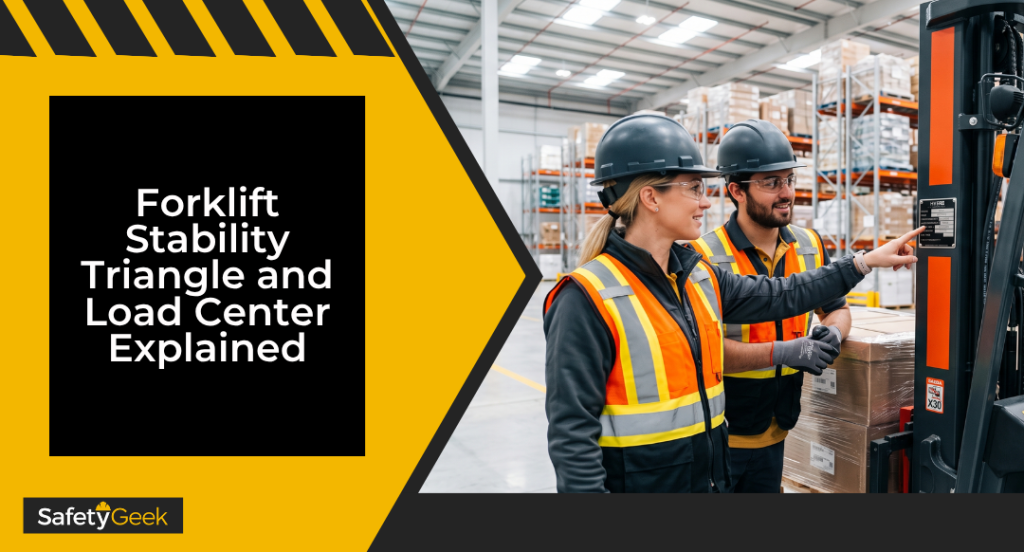
- Forklift zones with barriers in place: Hi-vis vests and hard hats for workers still exposed to traffic risks
Supervisors often can’t tell real PPE needs from blanket rules; that’s where things break down. Risk assessment marks where PPE truly matters, not where it’s tacked on to “cover up” weak hazard controls. Still not sure? Here’s our step-by-step on Get the Full Picture with a Hazard Assessment.
Coach your supervisors to spot the real need for PPE through proper hazard assessment… not just checklists. When they know WHY it’s needed, buy-in goes up and pencil whipping goes down.
Train them with this core question: “What risk is still left, even after every other control?” Real PPE decisions flow from clear, up-to-date danger spotting… never from habit or vague policy. This connects to setting sharp safety responsibilities for every role.
THE ALL-ACCESS PASS RESOURCE PAGE
Get all the FREE templates, safety management resources, PDFs, spreadsheets, and more...
Proper PPE Selection and Use: The Second Half of the Battle
Choosing real PPE isn’t guesswork, it’s a system. Match this 4-step process right to Phases 2 and 3 (Develop, Implement & Train) in your Safety Management Cycle:
- Spot and document actual hazards: Mark chemical, physical, and biological exposures after real-world checks. Get specific, not general.
- Match PPE to each risk: Pick PPE TYPE and material for each, not whatever’s in the supply closet. Cut-resistant gloves for blades, chemical suits for acids, impact-rated glasses for projectiles.
- Get fit and comfort right: Bad fit = NO compliance. Test fit for all gear, even gloves and hearing plugs.
- Train on use and care: Show donning, doffing, cleaning, storing, and when to pitch old PPE.
Systems always beat last-minute heroics. Standardized programs prevent those one-offs that turn real protection into a “looks-good” safety theater.
Hold your team to the 5 Steps to Accountability: Commitment, Training, Consequences, Authority, Consistency. Skip any, and you get cracks in your safety armor. It’s NEVER luck. It’s process. For more, nail down your leadership accountability foundation.
Coaching PPE Compliance: Your Role as Guide on the Side
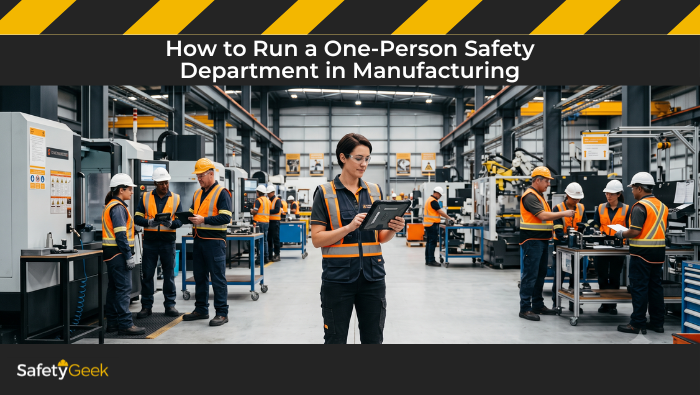
Safety manager = coach of the coaches. Your supervisors must own PPE rules day to day; your job is building a SYSTEM where doing it right is easy.
Use Safety Influencer Pillar 3: Strategic Engagement. Develop relationships first, enforce second. Teach supervisors real coaching cues: “Gloves on before touching that part?”…”Want to check that respirator seal together?” It’s about positive nudges, not scolding or punishment.
Culture’s ALWAYS top-down. When YOU wear PPE on the floor, supervisors and staff believe it matters. If you skip… they skip. For a deep dive into how leadership sets the pace, see How Leadership in Safety Culture Drives Real Results.
Give supervisors this checklist to keep off the safety police hat:
- PPE matches every actual hazard
- Fit is tight, no gaps or loose straps
- Clean and ready for each user
- Crew knows how to suit up and undo safely
Remember, you’re building partnerships that drive results, not just policing rules. For a team of one, these relationships make all the difference. Learn how to become the real coach of the coaches.
Measuring PPE Program Effectiveness: What Gets Measured Gets Managed
Lock PPE evaluation into Phase 5: Analyze of your Safety Management Cycle. Skip the pencil whipping. Track these REAL KPIs:
- PPE-linked incidents: Any injury where PPE failed or was missing
- Training numbers: All workers, all types, initial and refresher
- In-use observation scores: Actual field audits, not just classroom talk
- Direct worker input: Are they comfortable, available, easy to use?
Safety talks ROI when you share THESE numbers. They fuel budget cases and prove PPE is an investment that protects AND saves.
Keep cycling the data back into your Safety Management Cycle: Identify → Develop → Implement & Train → Coach & Observe → Analyze. Every round reveals gaps and wins for your PPE and whole safety system.
Pulling braggable results from your numbers? That comes from treating PPE as a system add-on, not a stand-alone box-tick. If you want to measure like a pro, check our post on Safety Assessments.
PPE as Part of Your Complete Safety Management Cycle
PPE is your last shield, never your first defense. If there’s ANY chance to remove or contain the hazard before it reaches a worker, you take it. But integrate PPE tightly whenever a real risk lingers.
The Safety Management Cycle keeps PPE action-focused and effective. It connects gear use to the full hazard control strategy, so you’re ALWAYS a guide on the side, not the safety police.
Safety is the Golden Opportunity: Show the business side how a great PPE program delivers profit, protection, and low disruption. When you prove PPE program ROI… safety earns respect, funding, and a bigger voice.
Frequently Asked Questions About PPE Last Line of Defense
What makes PPE the “last line of defense” in workplace safety?
PPE is at the bottom of the hierarchy of controls because it only protects the person who wears it. Higher controls, like engineering fixes or process changes, remove or tame the hazard itself for everyone. PPE depends on each worker using it right every time.
When should PPE be used instead of other safety controls?
Only use PPE when higher-level controls can’t erase the danger. It’s your shield after everything else is dialed in. Like using a respirator after top-notch ventilation or cut-resistant gloves when guards are already in place.
How do you ensure proper PPE selection for workplace hazards?
Start with real hazard investigation. Identify exposures, match equipment ratings to true risks, make sure it fits, and train staff in donning, doffing, and upkeep. The right PPE always fits the specific hazard, never “one size fits all.”
What’s the biggest mistake companies make with PPE programs?
Biggest fail? Treating PPE as a magic bullet or first step. That breeds false security because underlying dangers remain wide open. PPE is the closing move, not the foundation.
How do you measure PPE program effectiveness beyond compliance?
Track incident rates tied to PPE, monitor training completion numbers, audit real-world PPE use, and ask your people what’s working or not. KPIs beat pencil whipping every time.
Now It’s Your Turn
Ready to lock in PPE as the FINAL shield in your safety system? Here’s your action plan:
- Review your hazard inventory. Spot where PPE is used as the FIRST, not the FINAL, defense. Zero in where higher controls can reduce PPE reliance.
- Audit your PPE selection. Make sure every piece matches a specific, real hazard; not just a blanket rule. Check materials, fit, and the actual job risks.
- Coach your front-line supervisors. Teach three this week to “guide on the side” using coaching cues and positive feedback. Give them tools for relationship-based observation.
You got this, Safety Friend. Start with one area. Build your program, one upgrade and conversation at a time. That’s how you get braggable results… and a seat at the table for safety.
What’s your toughest PPE challenge right now? Drop it in the comments or reach out directly if you want coaching on building a PPE program that ACTUALLY protects your people. I got you… team of one.
Hi, I'm Brye (rhymes with sky)! I am a self-proclaimed safety geek with two decades of general industry safety experience. Specializing in bringing safety programs to a world-class level and building a safety culture, I have trained and coached many safety managers, just like you, on how to effectively manage workplace safety in the real world. I would love to help you too.