Product warehousing is central to modern supply chains, but it presents significant challenges that affect worker safety and operational efficiency. A warehouse is more than a storage site. It is a busy environment where people, equipment, and products interact constantly, and each activity carries potential risks. Addressing these challenges requires both strong procedures and proactive safety strategies.
Space Constraints and Overcrowding
One of the most common challenges in warehousing is managing limited space. As businesses expand their product lines, warehouses often become crowded. Overstocking aisles or stacking goods improperly increases the likelihood of falling objects, trip hazards, and restricted movement for workers. These conditions can also block emergency exits, turning a routine safety issue into a dangerous situation during a fire or medical emergency. Smart layout planning and clear storage policies reduce congestion while keeping access paths safe and unobstructed.
Heavy Equipment Hazards
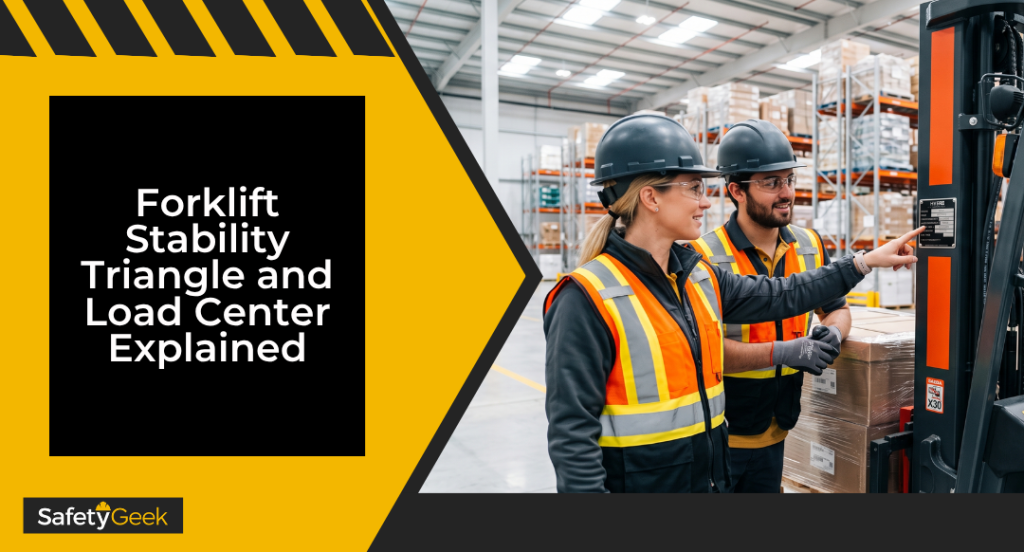
Forklifts, pallet jacks, and conveyor systems are essential for moving products, but they also introduce serious risks. Collisions between equipment and workers are a leading cause of warehouse injuries. Poor visibility, inadequate training, and neglect of maintenance schedules increase the chances of accidents. Facilities that emphasize equipment operator certification, implement strict traffic flow patterns, and conduct frequent equipment inspections create a safer environment for employees working nearby.
Manual Handling and Ergonomic Risks
Even in highly automated facilities, many tasks still require manual lifting, carrying, or bending. Repetitive motions and improper lifting techniques can cause musculoskeletal injuries that impact workers long term. Employers who provide training on safe lifting methods, rotate job tasks, and supply ergonomic tools such as lift-assist devices reduce strain on employees. Prioritizing these measures not only improves safety but also helps maintain productivity.
Fire and Chemical Safety
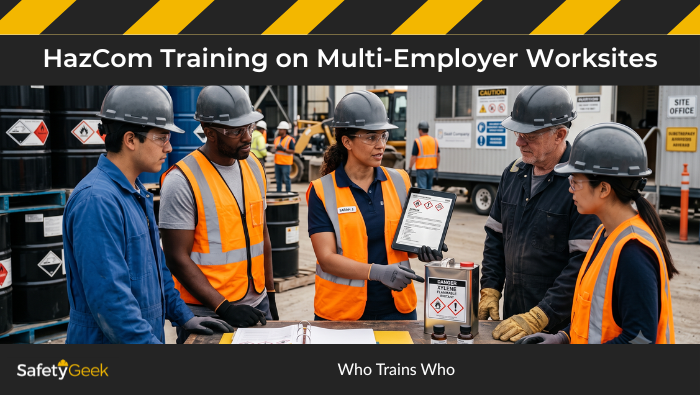
Warehouses often store flammable products, cleaning chemicals, or hazardous materials. Improper labeling, poor ventilation, or careless handling of such materials can quickly escalate into emergencies. Fire suppression systems, clear labeling, and employee training in hazardous material protocols are essential safeguards. Regular drills and inspections ensure that staff can respond effectively under pressure.
Packaging and Automation Risks
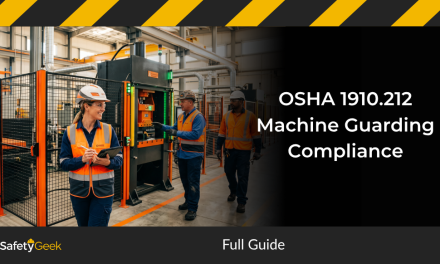
Modern warehouses rely on technology to streamline operations, but automated processes also bring new safety concerns. Packaging machines, conveyor belts, and sorting systems can injure workers if safety guards are ignored or maintenance is skipped. Establishing lockout/tagout procedures and reinforcing the importance of staying alert near automated systems help prevent accidents. Workers should also be encouraged to report malfunctioning equipment immediately rather than attempting makeshift fixes.
Balancing Speed with Safety
Warehousing is often tied to strict shipping deadlines. Workers under pressure to move faster may cut corners, skip safety checks, or carry heavier loads than recommended. This urgency can lead to accidents and long-term injuries. Managers who encourage realistic productivity goals while rewarding safe practices help maintain both efficiency and worker well-being.
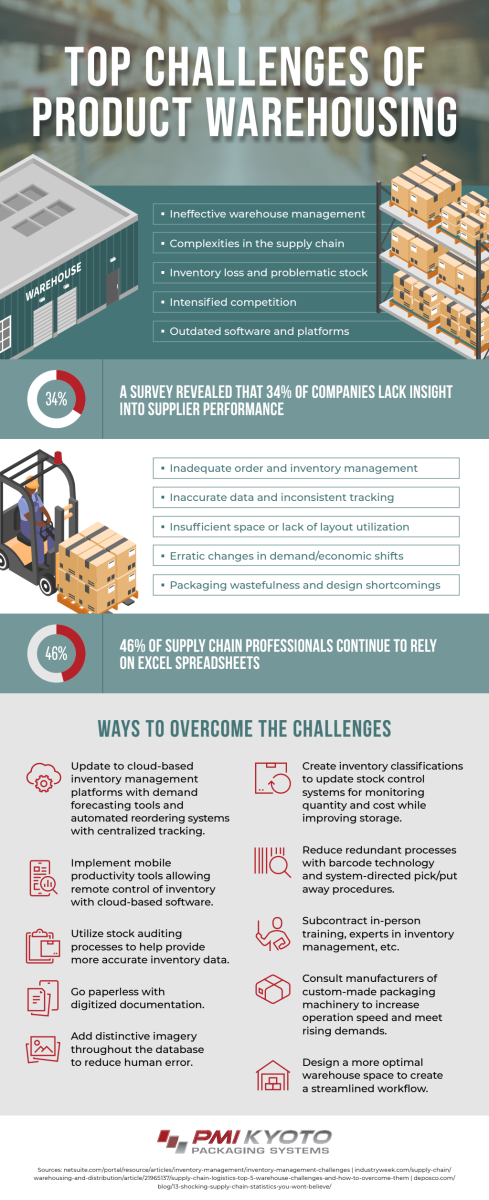
Product warehousing presents safety challenges that range from equipment hazards to chemical risks, but each can be managed with the right approach. Clear layouts, ongoing training, and responsible use of automation form the foundation of safer workplaces. By prioritizing safety alongside efficiency, warehouses not only protect their workforce but also strengthen their overall operations. For more information, look over the infographic below.