On industrial construction sites, a single overlooked safety protocol can result in serious injuries, costly penalties and damaged reputations. Understanding the right safety standards for industrial contractors protects your team while safeguarding your business from liability and operational disruptions.
- OSHA Compliance
When evaluating what safety standards industrial contractors should follow, the Occupational Safety and Health Administration sets legally enforceable workplace safety standards across the United States. Compliance with applicable OSHA standards isn’t optional for any industrial project. OSHA’s mission is to ensure safe working conditions by establishing requirements that protect employees from recognized hazards.
- Personal Protective Equipment (PPE)
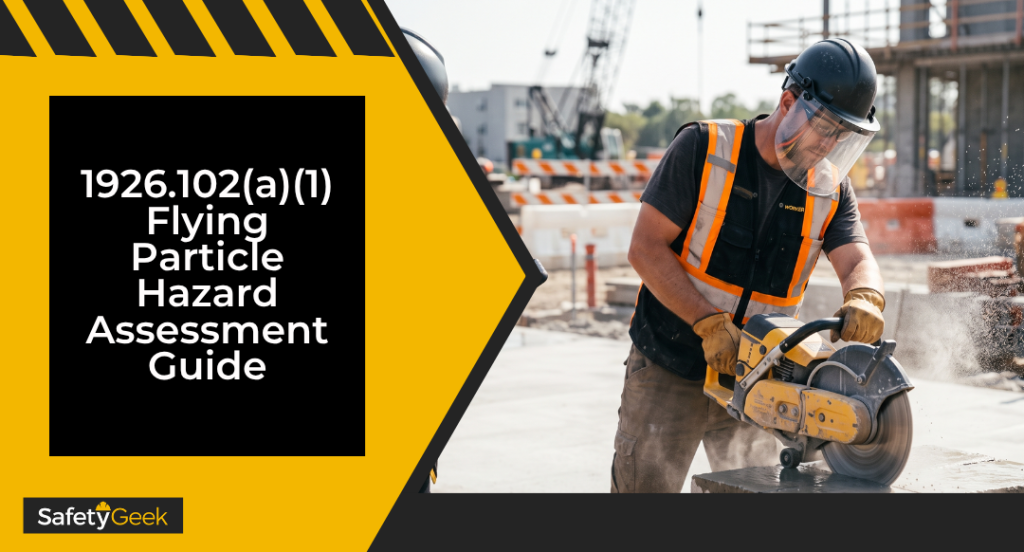
Providing appropriate personal protective equipment and ensuring its proper use remain fundamental safety responsibilities. Jobsite managers must emphasize the need to wear appropriate gear for every task, including hard hats, steel-toed boots, high-visibility vests and safety glasses. Each piece must be inspected regularly and used correctly.
- Electrical and Equipment Safety
Electrical hazards and the operation of heavy machinery pose some of the most serious risks on industrial sites, requiring specialized protocols and constant vigilance.
Best Practices for Electrical Systems
Electrical work demands careful attention to lockout and tagout procedures before anyone approaches energized equipment. Inspect all cords and equipment before each use, since damaged insulation or faulty connections can cause severe injuries.
Safe Operation of Heavy Machinery
Only trained personnel should operate heavy machinery on your site. Daily equipment inspections, standardized signals and exclusion zones around operating equipment help prevent accidents and keep workers out of low-visibility areas.
- Fall Protection
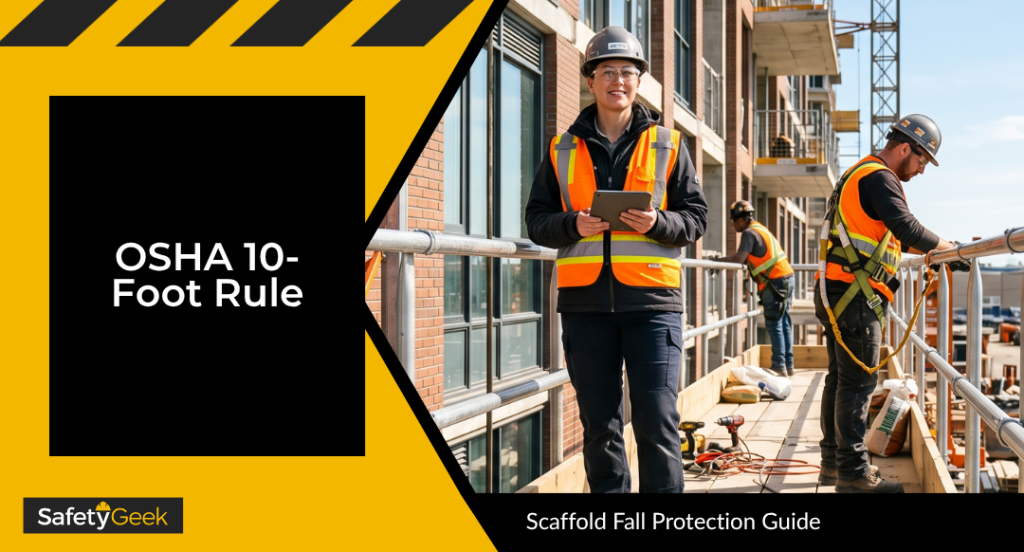
Fall protection systems rank among the most critical safety investments when work occurs at elevated heights. Falls represent a leading cause of death for construction and extraction workers.
Guardrails provide passive protection along elevated surfaces, while safety nets and personal fall arrest systems offer additional protection. Evaluate each elevated work area and select appropriate protection based on the specific conditions involved.
- Hazard Communication Protocols
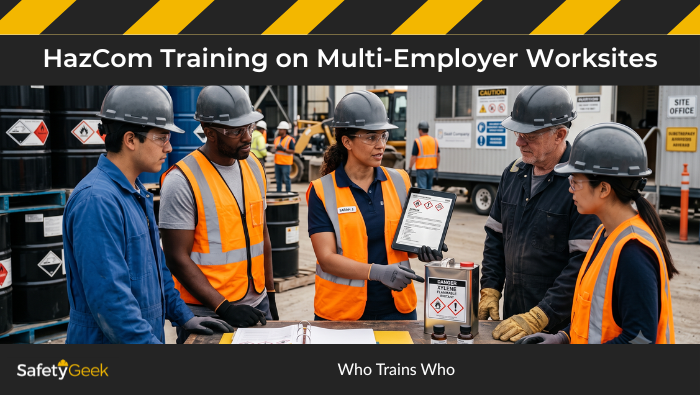
OSHA’s Hazard Communication Standard requires clear labeling of all chemicals and hazardous materials on your site, and safety data sheets must be accessible to anyone who might encounter these substances. Train employees to recognize hazard labels and respond appropriately to exposure incidents, with regular refresher training to reinforce this knowledge.
Frequently Asked Questions About Industrial Safety
Here are answers to common concerns safety managers face when building comprehensive protection programs.
What safety standards should industrial contractors follow?
Industrial contractors should build their practices around OSHA compliance, proper PPE, electrical and equipment safety protocols, fall protection systems, and clear hazard communication procedures. Together, these standards address the leading causes of workplace injury on industrial sites and support a lasting safety culture.
Foss General Contractors is a good example of a contractor built around this kind of safety-first approach. Foss General Contractors state that there are “industry-specific regulations related to hazardous materials, confined spaces, and fall protection” that industrial contractors like themselves must follow. With specialized experience in industrial projects, Foss General Contractors treats safety compliance as central to delivering fast, reliable and efficient outcomes.
What are the most common safety violations on a jobsite?
Fall protection deficiencies consistently rank among the most frequently cited violations during OSHA inspections. Scaffolding issues, including improper assembly or missing guardrails, also appear regularly in violation reports. Hazard communication failures, such as unlabeled containers or inaccessible safety data sheets, round out the most common problems.
How can you improve your crew’s safety awareness?
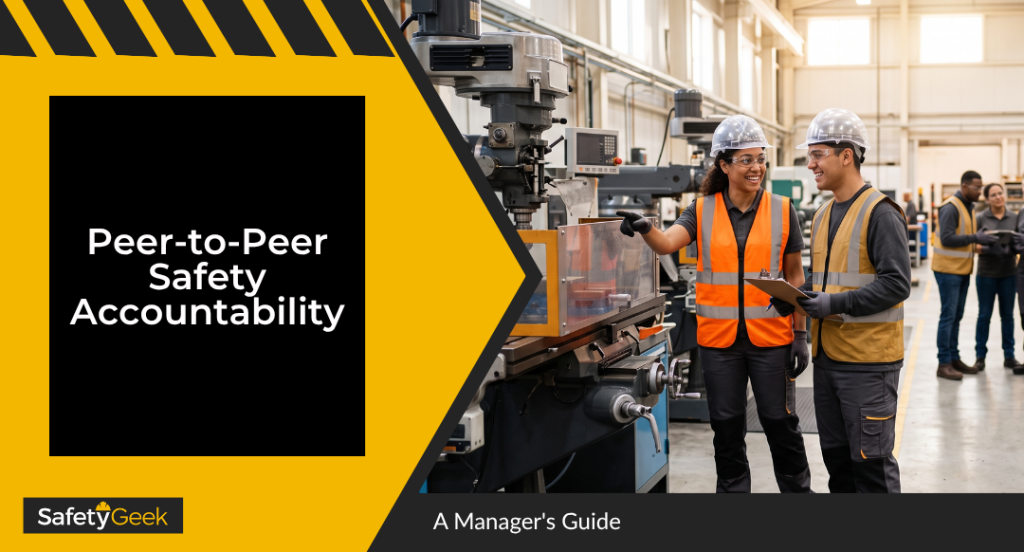
Daily toolbox talks keep safety top of mind by addressing specific hazards workers will encounter. Companies like DuPont have built entire safety programs, such as their Safety Training Observation Program, around behavior-based observation and reinforcement. The strategies you implement should create an environment where everyone feels responsible for spotting potential dangers.
What are some advanced safety training methods?
Safety training has evolved beyond traditional classroom sessions. Immersive technologies, such as virtual and augmented reality, let workers experience hazardous scenarios in controlled environments. Providers such as Caterpillar Safety Services have built these tools into their industrial training programs, giving workers hands-on practice with high-risk scenarios before encountering them on a live jobsite.
Building a Culture of Safety on Your Next Project
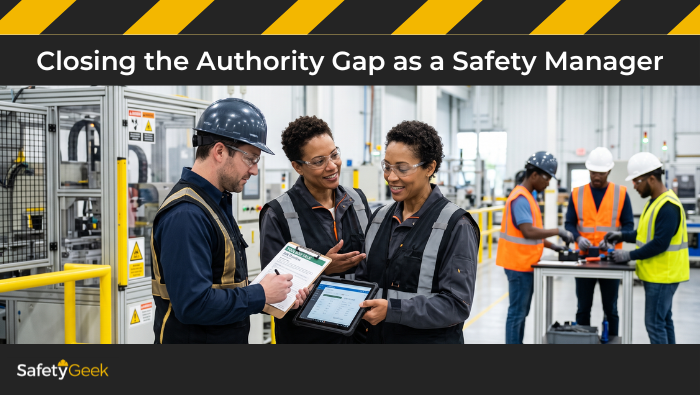
Safety standards provide the framework, and lasting protection requires cultural commitment. Every worker should feel responsible for identifying hazards and speaking up when something seems unsafe. Apply these standards consistently to build habits that protect your team and strengthen your reputation.
Hi, I'm Brye (rhymes with sky)! I am a self-proclaimed safety geek with two decades of general industry safety experience. Specializing in bringing safety programs to a world-class level and building a safety culture, I have trained and coached many safety managers, just like you, on how to effectively manage workplace safety in the real world. I would love to help you too.