Estimated reading time: 6 minutes
Training employees to spot hazards is one of the highest-leverage moves you can make. By equipping your team with the skills and confidence to identify risks early, you can dramatically reduce accidents and foster a proactive safety culture. Empowering workers in hazard identification not only protects your workforce but also strengthens your organization’s overall safety performance.
This blog post explores how training employees to recognize hazards goes beyond compliance to inspire engagement and ownership at all levels. You’ll learn practical steps to implement effective hazard-spotting programs and the benefits these bring to both workers and safety professionals.
Whether you’re a safety leader or manager, empowering your team to identify hazards is the foundation of unbeatable workplace safety.
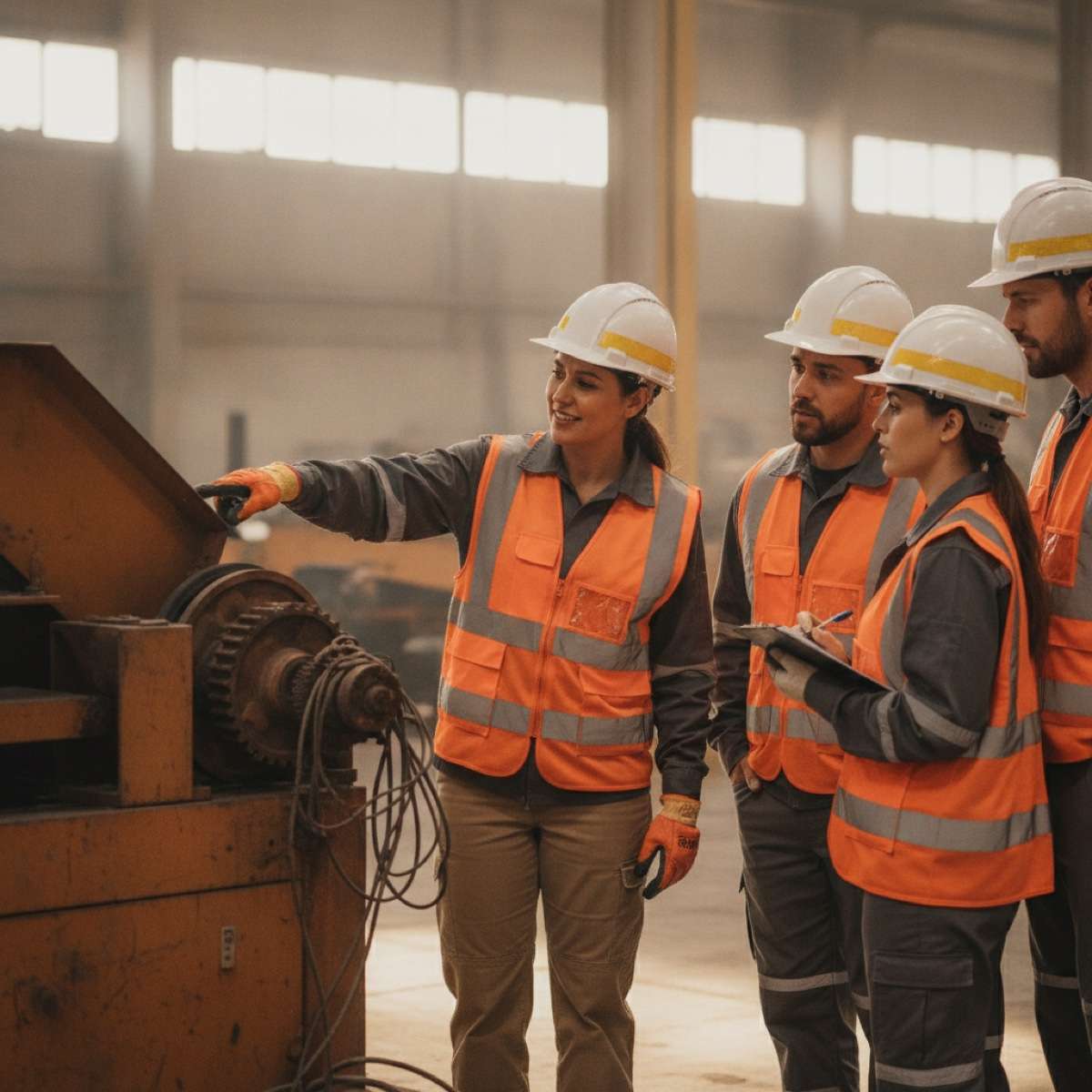
Key Takeaways
- Ongoing hazard-spot training transforms employees into active safety champions.
- Employee empowerment reduces incidents and builds trust within the organization.
- Effective practices include regular safety huddles, near-miss sharing, and recognition programs.
- Hands-on, scenario-based workplace safety observation training enhances hazard spotting skills.
- Clear, practical checklists and peer coaching support continuous learning.
- Consistent feedback and involvement are crucial to sustain hazard reporting.
Training Employees to Spot Hazards: Empower Your Team for Unbeatable Workplace Safety
Training employees to spot hazards means equipping every team member with the right skills and confidence to identify risks before they become incidents. It’s about more than compliance or checking off items on a safety audit. Studies show that ongoing, empowering hazard-spot training builds a first line of defense against accidents, turning your entire workforce into safety champions.
For safety professionals, this approach goes beyond just reducing incident rates. Training empowers you to build credibility with management, advance your career, and create a workplace where everyone goes home safe. When you lead the way in empowering workers for hazard identification, you position yourself as someone who actively shapes safety culture.
THE ALL-ACCESS PASS RESOURCE PAGE
Get all the FREE templates, safety management resources, PDFs, spreadsheets, and more...
What to Train Employees to Spot: Hazard Types
NIOSH research on hazard recognition shows trained workers catch far more hazards, and OSHA requires hazard training under many of its standards. Teach your team these categories.
| Hazard type | Examples | What to look for |
|---|---|---|
| Physical | Slips, trips, unguarded machines | Wet floors, missing guards, blocked walkways |
| Chemical | Spills, fumes, unlabeled containers | Missing labels, poor ventilation, no SDS |
| Ergonomic | Heavy lifting, repetition | Awkward postures, overreaching, no lift assist |
| Electrical | Frayed cords, open panels | Damaged insulation, overloaded outlets |
Hazard spotting works best when it feeds your other systems. Every hazard your team flags should roll into your job hazard analysis and your safety observation program.
Why Empowering Workers Matters for Hazard Identification
Empowering workers for hazard identification means giving employees the authority, tools, and recognition to proactively find hazards. This shift moves away from a top-down approach to safety and builds an environment where every team member is an engaged safety detective.
When employees take ownership of safety outcomes, engagement skyrockets. They see safety as something within their control. Empowered employees reduce incidents and foster positive safety culture because they are invested in the outcome.
For example, if a forklift operator spots poor lighting that creates shadows in certain aisles, they shouldn’t wait to mention it later. In an empowered environment, they know their observation will be heard and acted upon right away.
For you as a safety professional, this approach acts as a force multiplier. Instead of bearing solo responsibility for spotting hazards, you have dozens or hundreds of trained eyes partnering with you. Your incident reports become more thorough, hazard assessments more precise, and your management updates are filled with firsthand insights from employees on the ground.
Training employees to spot hazards through real empowerment creates a feedback loop. Recognition fuels more hazard reporting, leading to safer conditions and deeper trust. Over time, hazard identification becomes part of your company’s DNA.
Employee Involvement in Hazard Recognition: Getting Them Actively Engaged
Employee involvement in hazard recognition means creating a two-way conversation where workers contribute insights, report hazards, and help develop solutions.
The main obstacles are all too common: fear of blame, lack of confidence, and the frustration of reporting without feedback. Employees may worry that pointing out hazards reflects poorly on them, doubt they have the authority to speak up, or feel their concerns go nowhere.
You can break these barriers through intentional actions:
- Hold regular safety huddles that encourage everyone’s input.
- Start meetings by asking, “What safety concerns did anyone notice?”
- Share near-miss stories to normalize discussion.
- Recognize employees for reporting hazards through thank-yous, shout-outs, or simple rewards.
Engaged workers are significantly better at spotting and reporting risks when they feel safe to speak up and trust their input leads to action.
A maintenance technician who notices a tool vibrating more than usual will feel confident in an open and supportive culture. They’ll know exactly whom to alert and trust that their report won’t lead to blame, but to improvement.
The key is consistency. Don’t ask for input one week and ignore it the next. Genuine involvement means always acknowledging and acting on employee feedback.
Workplace Safety Observation Training: Making Hazard Spotting Practical
Workplace safety observation training provides employees with structured, hands-on experience to observe, record, and act on hazards. This type of training is the bridge between wanting engaged employees and building teams of skilled observers ready to keep everyone safe.
Effective workplace safety observation training includes:
- Hands-on, scenario-based learning so employees practice hazard spotting in controlled setups.
- Checklists and simple observation tools to guide and organize findings.
- Peer-to-peer coaching to allow experienced workers to mentor others and keep lessons relevant.
- Regular refreshers and easy reporting channels so learning stays fresh and actionable.
Scaling this training is about good systems. Assign observation champions in each department. Use a digital tracking system – any organized spreadsheet will do – to log and follow up on observations. Offer short refresher sessions each quarter to keep knowledge current.
When safety observation training is done right, employees don’t feel burdened; they feel empowered and confident. That’s the goal: the training becomes a superpower, not another box to check.
Practical Steps to Train Employees to Spot Hazards
Training employees to spot hazards works best with a clear path from awareness to confident action.
Step 1: Awareness-Building Exercises
Start by teaching what hazards really are and where to find them. Define hazard types, chemical, ergonomic, electrical, slip/trip, with examples specific to your workplace. Avoid generic warnings and focus on real situations your employees encounter.
Step 2: Hands-On Practice with Scenarios
Use role-playing with real-life near misses to make learning real. Walk through incidents step by step and talk about what could have been spotted earlier. Pair new employees with experienced team members for guided walkthroughs, allowing peer-to-peer learning in everyday work.
Step 3: Checklists and Observation Tools
Provide simple, practical checklists that are relevant to each job. Keep them short, five to seven items covering the most important risks, so they’re easy to use daily and never become overwhelming.
Now It’s Your Turn
You have the tools to empower your team in hazard spotting. Here’s how to get started:
- Hold a team meeting and explain why employee-driven hazard identification matters.
- Collect real examples from your workplace to use in training.
- Introduce hands-on hazard spotting activities during your next safety huddle.
- Assign observation champions to drive daily safety conversations.
- Share checklists and make reporting as simple as possible.
- Consistently acknowledge every hazard report – big or small.
Start today. When your team knows how to spot hazards and feels empowered to act, you’re building a culture of safety that pays off every single day.
Frequently Asked Questions
Q: Why is employee empowerment important in hazard identification?
A: Empowerment gives employees the authority and confidence to report hazards without fear, increasing the number and quality of hazard reports and building a positive safety culture.
Q: How can I encourage employees to actively participate in hazard spotting?
A: Create a blame-free environment, hold regular safety discussions, share near-miss incidents openly, and recognize employees who contribute to hazard identification.
Q: What are effective tools for training employees to spot hazards?
A: Scenario-based learning, practical checklists, peer coaching, and refresher sessions help develop and maintain hazard spotting skills.
Q: How does continuous feedback impact hazard reporting?
A: Providing consistent feedback shows employees their reports matter, enhancing trust and motivating ongoing participation in safety efforts.
Q: What role can safety professionals play in employee hazard training?
A: Safety professionals act as facilitators and mentors, building systems that support employee engagement and ensuring hazard identification efforts align with organizational safety goals.
Hi, I'm Brye (rhymes with sky)! I am a self-proclaimed safety geek with two decades of general industry safety experience. Specializing in bringing safety programs to a world-class level and building a safety culture, I have trained and coached many safety managers, just like you, on how to effectively manage workplace safety in the real world. I would love to help you too.