Estimated Reading Time: 8 minutes
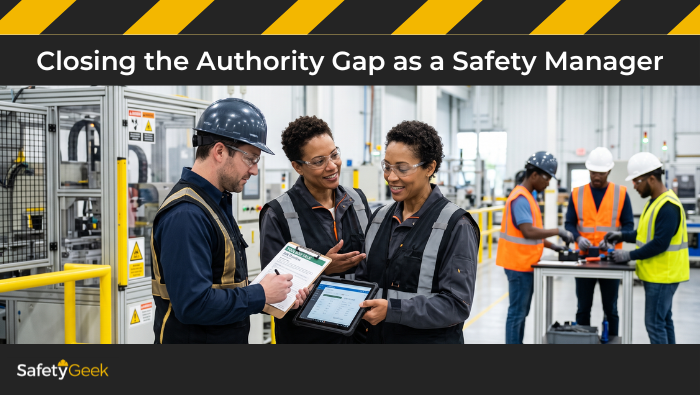
Learning how to hold supervisors accountable for safety when you have no direct authority can feel impossible, but it’s entirely achievable. This post dives into the core of influence, systems, and habits that make supervisors want to own safety, rather than just comply with enforcement or policing. By understanding these elements, you will unlock sustainable results and build a stronger safety culture in your workplace.
The blog post explains why supervisors often prioritize production over safety, not out of neglect but due to unclear systems and expectations. It also introduces practical frameworks like the Safety Management Cycle to develop accountability through commitment, training, and consistent coaching – all without formal authority.
From identifying gaps to analyzing data, this guide details step-by-step how to work with supervisors, middle managers, and leadership to boost safety ownership. By harnessing influence and turning data into action, you become a pivotal force for lasting change.
Key Takeaways
- Supervisor safety gaps start with unclear goals and production pressure, not bad intentions.
- The Safety Management Cycle is a 5-phase system driving real supervisor accountability.
- Influence, data, and relationships matter more than titles or formal authority.
- A solid supervisor safety accountability framework requires commitment, training, consequences, authority, and consistency.
- Supervisor-level safety metrics help launch tough but productive coaching conversations.
- You’re not the “safety police hat.” You’re the guide on the side and the coach of the coaches.
Yes, you can hold supervisors accountable for safety even with ZERO formal authority.
It comes down to influence, systems, and real-world habits that make supervisors want to own safety, not enforcement or policing. Once you crack that code, you’ll get results that last.
Ever felt like you’re chasing supervisors who dodge your calls, dismiss your input, or just WAIT you out? I get it. Supervisors have a ton on their plates, and if your voice feels ignored, that’s not your fault – it’s a sign that the system isn’t supporting you yet. You’re not alone. Studies show supervisors will put production first when safety expectations are foggy and management sends mixed messages. That’s not about bad apples… it’s about broken systems. And BSF, YOU can fix it.
What’s Really Behind Supervisor Safety Gaps
Supervisors often fail at safety because the system sets them up to fail – not because they want anyone hurt. You’re tasked with results, but can’t touch pay, promotions, or write-ups. When safety slips, you land in the hot seat. Sound familiar?
Here’s what most miss: Supervisors skip safety when nobody shows them EXACTLY what “owning safety” looks like when production’s hot. Behavioral research nails it – when rewards don’t match the talk, supervisors ALWAYS pick production over safety. That’s not personal. That’s predictable.
Punishments, top-down threats, and “gotcha” reporting don’t build safety cultures. What works? A clear framework – one supervisors understand, believe in, and act on. If you want lasting change, you’ve got to build safety right into their daily routines, not bolt it on.
Old way? Write a policy, hand it down, and bark if they miss. New way? Build the system, set supervisors up to win, and coach them until they do. That SYSTEM shift changes everything.
Identify: Pinpoint the Real Gaps in Supervisor Accountability
First up in the Safety Management Cycle: Identify. You can’t coach what you can’t see. Before you build anything, dig deep for those accountability gaps.
Pull your data – production supervisor safety metrics. Look for:
- Injury and incident rates by supervisor or team
- Near miss reports by work area
- Completion rates for job hazard analyses (JHAs), safety observations
- Coaching logs… or if they’re completely missing
The real patterns JUMP out. Gaps cluster by department, supervisor, and manager over and over. Supervisors don’t operate solo – their actions reflect what their managers reward, ignore, or signal with a wink and a nod.
Safety accountability up and down the chain isn’t optional. Once you spot which supervisors (and which managers) fuel the gap, you find your lever for influence.
Tools from The Safety Leadership Academy help you break down this data from pencil whipping reports into “braggable results” that unlock your seat at the table.
Develop: Build a Safety Accountability Framework for Supervisors
Second phase: Develop. This is where you lock down a framework that sticks… and supervisors ACTUALLY use it.
A framework that lasts MUST include these five pieces, in this order:
- Commitment. Supervisors publicly state a safety goal or commitment. Speaking it out loud changes behavior and taps social accountability.
- Training. Supervisors need skills, not rules. How to spot hazards, run a coaching talk, or lead a daily safety huddle. Teach them HOW, not just WHY.
- Consequences. Transparent, consistent consequences for both good and bad safety action. Celebrate when they close reports, call out what’s missed when necessary. Let both sides be visible.
- Authority. Supervisors need real management backing. When senior leaders and supervisors are aligned, safety motivation goes up. You back up your supervisors so they feel supported – not set up.
- Consistency. This is about DAILY habits, not once a year “check the box” memos.
Tie supervisor responsibility for safety to their everyday actions, not performance reviews that nobody remembers in July. The Safety Leadership Academy gives you frameworks to map these steps for every supervisor you’ve got.
THE ALL-ACCESS PASS RESOURCE PAGE
Get all the FREE templates, safety management resources, PDFs, spreadsheets, and more...
Implement and Train: Drive Accountability When You Have No Direct Authority
Third phase: Implement and Train. Here’s where you see what you’re really made of, BSF…
Your job isn’t to do all the safety work. It’s to coach supervisors until THEY do it as their own. Supervisors should:
- Lead their own JHA reviews
- Host quick team huddles (daily or weekly)
- Close out field observations without you hawking over them
- Have coaching conversations with their teams
That’s what the Safety Influencer System is ALL about. You build relationships with department heads and middle managers FIRST, because they shape supervisor behavior more than any policy ever could. Real influence grows from trust, not job titles.
When supervisors see THEIR names, THEIR numbers, compared with peers… watch what happens. Data makes ownership real. Modules from The Safety Leadership Academy give you scripts and strategies for making those performance talks productive – not confrontational.
Coach and Observe: Accountability in Action Without a Title
Fourth phase is Coach and Observe. This is the HEART of supervisor accountability when you don’t have direct authority, Safety Friend.
You can’t clone yourself. But you CAN build a coaching rhythm, even if it’s just 15 minutes in the field, observing each supervisor once per week.
In the field:
- Shadow and ASK questions, don’t hand out canned answers
- Call out “braggable” improvements in the moment, and do it publicly if you can
- Use real leading indicator data – near misses, observation trends, frequency of coaching
- Enlist middle managers to echo your message from above, so supervisors get backing on all sides
Real accountability happens ALL through the management chain. When supervisors see you and their managers in sync about safety, not just rules… their teams notice. You don’t need a “safety police hat” or fancy title – you just need ALIGNMENT.
The Safety Leadership Academy has your observation plans, coaching scripts, and all the tools you need to move fast and stay sharp as a team of one.
Analyze: Use Data to Prove Value and Refine the System
Fifth phase is Analyze. This phase is where you lock in your seat at the table.
Track it all:
- Lagging metrics: injury rates, comp claims, recordable incidents (by supervisor)
- Leading metrics: submitted near misses, completed observations, coaching touchpoints, JHA sign-offs
What gets measured gets managed. Sharing data in plain language connects your coaching to better morale, fewer injuries, and savings that ANY leader cares about.
Share these numbers in scheduled reviews, using them to drive coaching and improvement – not to catch anyone in a “gotcha.” Data is for progress, not punishment. The Safety Management Cycle means you’ll loop back: analyze, identify new gaps, tweak the system, and KEEP moving forward.
The Safety Leadership Academy walks you through gathering, sharing, and presenting data so leaders can’t ignore your impact.
The Mindset Shift: From Safety Police to Coach of Coaches
But here’s the thing… THE BIGGEST wall between you and supervisor accountability? Sometimes it’s not even them… it’s the role you’re playing.
Wearing the safety police hat makes supervisors hide problems and pencil whip reports. When you become the guide on the side, the coach of the coaches, problems come TO you. Supervisors invite your help instead of dodging it.
Real change means supervisors want to own safety – not that they’re forced to. Give them the right tools, honest support, and real credit for “braggable results” and they’ll do the lifting. You just support, coach, and recognize. That’s when systems work without you having to chase anyone.
Safety is the Golden Opportunity… and YOU are the architect. You got this.
Frequently Asked Questions About Holding Supervisors Accountable for Safety
How can I hold supervisors accountable for safety if I have no authority over their pay or performance reviews?
You don’t need formal authority – it’s about influence. Use a clear accountability framework, make performance visible with data, and build trust with the managers above supervisors so accountability runs up and down the chain. When supervisors see alignment between what’s said and what’s done, safety sticks.
What metrics should I track to measure supervisor safety accountability?
Track both leading and lagging indicators, broken down by supervisor. Leading: near misses, observations, JHAs, coaching logs. Lagging: injuries, recordables, comp claims. Use supervisor names for direct ownership and better coaching.
What is the Safety Management Cycle and how does it apply to supervisor accountability?
The Safety Management Cycle locks accountability into five phases: Identify, Develop, Implement & Train, Coach & Observe, and Analyze. Use each step to build frameworks, roll out tools, coach supervisors, and measure results. It’s a repeatable system – not one-and-done.
Why does punishment-based accountability fail with supervisors?
Punishments drive short-term compliance but long-term resentment. Supervisors who fear blowback will hide problems, not report them. REAL change sticks when you reward positive actions and build habits that feel good to win at safety.
What is the Safety Influencer System and why does it matter?
The Safety Influencer System gives you a plan to build influence and drive safety improvements without needing formal power. Strategic Engagement (its third pillar) pushes you to build solid relationships with managers who shape supervisor accountability from above. Combine this with data, a coaching presence, and a clear framework and you become the most influential person in the room.
Take Action: Five Steps to Start This Week
- Pull your supervisor safety metrics, break them out by name, and share them with leadership for instant accountability.
- At your next meeting, have each supervisor state ONE safety commitment for the next month. Make them write it down and say it out loud.
- Build a coaching schedule. Pick two supervisors each week, spend 15 minutes with each. Show up more often than you lecture.
- Identify a few middle managers who can reinforce your message from above. Start building those relationships intentionally.
- Join the Safety Leadership Academy if you need plug-and-play frameworks and serious support as a team of one.
Now It’s Your Turn
What’s the ONE roadblock holding you back from getting supervisors truly accountable for safety? Is it a particular supervisor, management’s mixed signals, or maybe a culture where production always wins?
Share your story or question in the comments, Safety Friend. I want to know what you’re up against… Because your challenges matter, your work matters, and I got you.
Hi, I'm Brye (rhymes with sky)! I am a self-proclaimed safety geek with two decades of general industry safety experience. Specializing in bringing safety programs to a world-class level and building a safety culture, I have trained and coached many safety managers, just like you, on how to effectively manage workplace safety in the real world. I would love to help you too.