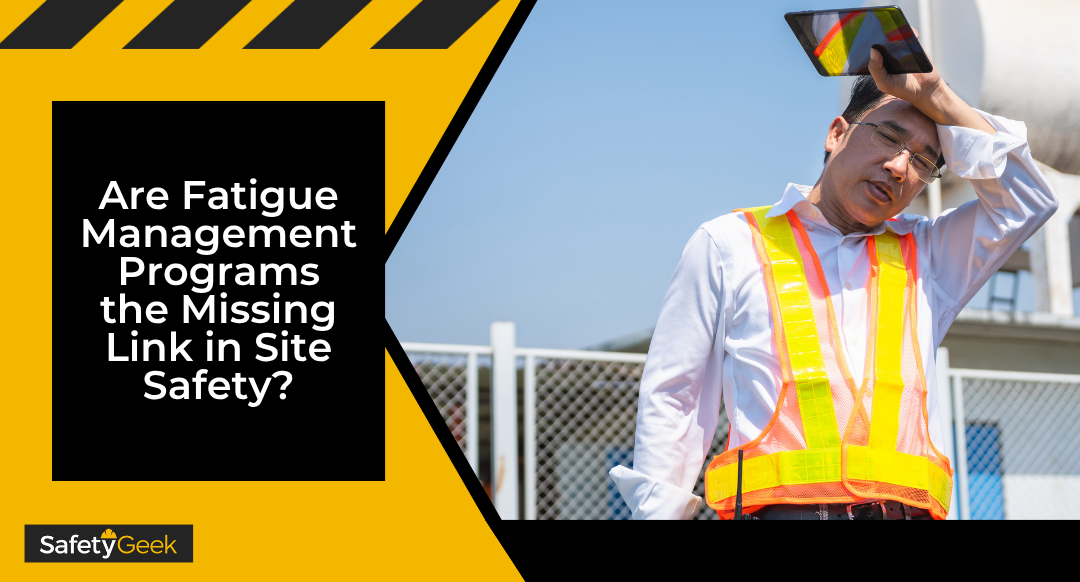
As a safety professional, your expertise involves managing tangible risks. It’s your job to ensure the integrity of fall protection systems and that every worker has the tools they need. However, incidents can still occur due to fatigue. This reality requires your leadership team to master hazard management. Here’s a guide exploring whether fatigue management programs are the missing link.
How Fatigue Affects Site Safety
Fatigue is a unique threat to workplace safety because it’s hard to quantify. Some workplaces normalize working long hours and embracing the challenge. However, feeling tired can turn into a state of impairment on the jobsite.
OSHA says long hours and irregular shifts can induce physical stress and take an emotional toll. Other unintended effects may include poor sleep quality over time. Your brain needs the proper time to rest, or else it shows signs of cognitive impairment.
If one of your employees has been awake for 20 hours in a row, they should rest instead of operating machinery. Fatigue impacts your ability to perform particular tasks, such as driving. Tiredness affects your judgment as much as alcohol, so addressing the larger problem is necessary.
The Role of Fatigue Management Programs in Site Safety
Some of your team members may view fatigue levels as an individual’s responsibility. However, professional-grade safety programs treat tiredness similarly to fall protection.
Fatigue management programs include data-driven systems that proactively monitor and mitigate workplace tiredness. These initiatives go beyond email memos or breakroom posters by instituting multilayer defenses and quality control systems. The goal is to prevent jobsite fatigue before it takes a toll on your workers.
How They Solve Site Safety Issues
Traditional site safety initiatives have included engineering controls, administrative processes and PPE. They started with hard hat mandates and guardrails to protect team members across the site. While important, these policies assume the workers are alert and focused.
Fatigue management programs bridge the gap by being proactive instead of reactive. They recognize that addressing the root cause is more important than responding to an incident. Implementation is important for building a culture that emphasizes safety and cares about the well-being of workers.
Key Elements of Fatigue Management Programs
Introducing a fatigue management initiative adds complexity to your demanding role. However, it can significantly and immediately impact your team’s safety and well-being. Here are four tips to navigate the essential first steps.
1. Signs and Symptoms
First, the fatigue management program should train workers to detect fatigue in themselves and others. For example, signs include lack of energy, difficulty thinking and apathy. It’s essential to act on early warning signs before they become more obvious.
2. The Role of Nutrition
While sleep is foundational to energy levels, meals and beverages significantly contribute. Fatigue management programs may emphasize the importance of foods that provide sustained energy. For example, nutritious snacks replenish electrolytes and maintain energy levels between meals.
3. Strategies for Shift Work
As a safety professional, your team likely works irregular hours. Working against the body’s circadian rhythm requires a deliberate approach to your sleep and lifestyle. Teach your employees about taking power naps and managing sleep. It’s also wise to explain caffeine intake timing, as it can negatively affect sleep.
4. The Consequences of Fatigue
Effective fatigue management programs include multifaceted approaches to appeal to logic and emotion. They may start by explaining the risk of unsafe shortcuts, whether from inadequate equipment or fatigue. Then, you can use data-driven storytelling to frame information in relatable terms. For instance, spikes in incidents during late-shift hours can be persuasive when linked to fatigue.
Solving Fatigue Proactively
Fatigue management programs are the missing link in traditional safety measures. These initiatives require a shift in perspective across the company. As a safety manager, it’s your role to institute a proactive system and champion a world-class safety culture.
Hi, I'm Brye (rhymes with sky)! I am a self-proclaimed safety geek with two decades of general industry safety experience. Specializing in bringing safety programs to a world-class level and building a safety culture, I have trained and coached many safety managers, just like you, on how to effectively manage workplace safety in the real world. I would love to help you too.