Estimated reading time: 8 minutes
Interactive safety training transforms traditional safety programs by shifting from passive, sit-and-get lectures to engaging, hands-on activities that workers actually remember and apply. This approach focuses on creating a culture of safety where people genuinely care, using methods like e-learning activities, training games, and quick real-life scenarios.
By incorporating interactive safety training, workers are placed in the driver’s seat, practicing safety skills rather than just listening, resulting in stronger retention and a more effective safety culture. This blog post explores what interactive safety training looks like in practice, why engaging e-learning matters, and how microlearning and adult learning principles enhance safety programs.
The post also covers practical tools and strategies, including safety training games and the Safety Management Cycle, to help safety professionals – whether part of a large team or flying solo – create impactful and memorable safety training sessions.
Key Takeaways
- Interactive safety training means workers actively do the learning, which greatly improves knowledge retention.
- Engaging e-learning safety makes training relevant, short, and hands-on, respecting workers’ time.
- Safety training games spark friendly competition and drive engagement for real skill retention.
- Microlearning modules deliver essential content in brief 5-8 minute segments to combat forgetting.
- Applying adult learning principles safety creates training that fits adult learners’ needs for relevance, practice, and feedback.
- Even a team of one can design world-class, interactive safety training by using the right tools and frameworks.
Ever sat through a safety training where the trainer read slides while half the room zoned out? Been there… and maybe you’ve delivered one, too. Not by choice, but because it landed on your plate.
Interactive safety training means YOU shift from “sit and get” lectures to hands-on, real-life safety practice. You swap passive learning for e-learning activities, training games, and quick scenarios your people actually remember… and use.
Interactive safety training is the game-changer for lasting safety learning and a culture where people truly CARE. If you want ready-to-use tools, The Safety Geek’s resources are designed on these exact principles.
Interactive safety training isn’t just hype. It’s the secret to REAL learning and a stronger safety culture.
What Is Interactive Safety Training?
Interactive safety training puts your learner in the driver’s seat. Workers ask questions, make decisions, practice real skills, and get direct feedback. They don’t just watch or listen.
Think about it. Is it one long PowerPoint run-through… or a quick scenario, group discussion, and hands-on drill? Only one of those produces learning – the other produces paperwork.
Interactive safety training closes the gap between “pencil whipping” compliance and REAL readiness. When things get real, training shows up… or it doesn’t.
Data backs this up. Research on the 70-20-10 model shows workers retain up to 75% of what they practice. Just 10% sticks from passive listening. That gap is the difference between protection and checking a box.
The Safety Management Cycle puts interactive training front-and-center in the Implement and Train and Coach and Observe phases. This is where info goes from theory to muscle memory. You’re not just teaching… you’re building competence.
And when you shift to TRUE interactive safety training, you take off the safety police hat and become the guide on the side. You go from lecture boss to coach of the coaches. Want a seat at the table? You’ll need this. For more, check out safety management best practices and leadership skills and The Coach of the Coaches.
Why Engaging E-Learning Safety Matters for Your Team
Your team expects training that feels relevant… and worth their time. Outdated, hour-long videos with zero interaction? People tune out.
Research on e-learning engagement proves this: engagement fuels memory and true culture change. That’s science, not just safety hype.
Engaging e-learning safety respects your workers as adults – not just compliance boxes. Training built for them gets DONE… gets REMEMBERED… and gets USED.
And here’s where adult learning principles safety show up. Adults want training:
- That fits real work problems
- Let’s them move at their own speed or path
- Has the “use NOW” factor
Miss those, and your people mentally check out… back to pencil whipping.
Microlearning safety modules crush the attention gap. These are small, focused bursts (5-8 minutes, one topic each), matched to the fast pace and competing priorities of busy crews. Industry research on microlearning shows these stick better, get finished faster, and create more braggable results.
Train like this and you’ll see:
- Higher completion rates
- Fewer nagging reminders
- Noticeable jumps in safe behavior
THAT is what you can brag about to the leadership team.
Safety Training Games: A Tool You Can’t Ignore
Games aren’t just for kids, Safety Friend. Safety training games are your shortcut to real engagement.
Use:
- Jeopardy-style reviews
- Scenario-based role-play
- “Find the hazards” image hunts
- Fast-paced competitive quizzes
Games do what passive training never can – create REAL learning moments.
Research on gamification in training shows games tap into hidden motivators: fun, challenge, recognition, and competition. You’re not “tricking” adults… you’re finally speaking to what drives them.
Picture a grumpy warehouse crew at a monthly meeting. Split them into two teams. Toss up a safety Jeopardy game with real-life scenarios. Suddenly… they’re arguing over answers, laughing, and actually remembering the lessons. That’s not wasted time – that’s real retention taking root.
Games lead to those “aha” moments where a worker faces a situation, makes a call, sees what happens, and learns for real.
Use games in the Coach and Observe phase of the Safety Management Cycle. They reinforce key ideas long after training is “done,” and repetition turns to real readiness… without the groans.
The Safety Geek has grab-and-go training games and scenarios so you don’t need hours of prep or a fancy design degree.
THE ALL-ACCESS PASS RESOURCE PAGE
Get all the FREE templates, safety management resources, PDFs, spreadsheets, and more...
Microlearning Safety Modules: Deliver Big Impact in Small Doses
Microlearning safety modules make big learning happen… fast. Cover one topic, stay actionable, keep it BRIEF.
Here’s why it works. Memory and retention studies reveal workers forget half of new info within an hour. Up to 70% is gone in a day! Traditional training is outmatched.
Microlearning flips that script. Small, spaced lessons. Repeat exposure. Use it NOW application. This structure stops forgetting before it starts.
In The Safety Management Cycle, microlearning is gold for the Develop phase. Easy to make, easy to scale. Bring it into Implement and Train for toolbox talks, shift changes, or anytime you’ve got people on different schedules.
Quick tip: Add a poll, one-question scenario, or fast quiz to lock in each micro-module. A 6-minute chunk with a mini challenge wins over a 45-minute drone session every time.
The Safety Geek’s microlearning options plug into any LMS or run straight from our platform – headache-free for a team of one. For smooth recordkeeping, see our post on managing safety training records.
Using Adult Learning Principles in Safety Training
Adult learning principles safety turn boring training into culture-shifting learning. Miss these and you’re doing compliance theater.
What are the must-haves?
- Relevance: Tie every step to ACTUAL work risks and decisions.
- Participation: Get people doing, not sitting. Show, practice, role-play.
- Application: Workers should know what to do NOW.
- Experience: Build off what they already know and see daily.
- Feedback: CDC adult learning guidance proves real learning needs fast, honest feedback.
Miss these, and you waste time and money… zero impact on culture or incident rates.
Be the guide on the side – not the safety police hat. Let workers own some of their learning. Coach instead of control. Want to see why it matters? Visit Safety Expert vs. Safety Police.
The difference between “pencil whipping” and proud participation is THIS approach. When you operate from adult learning principles, you get buy-in, not eye rolls.
The Safety Geek’s coaching and supervisor guides help you work this in – no need to reinvent the wheel every single session.
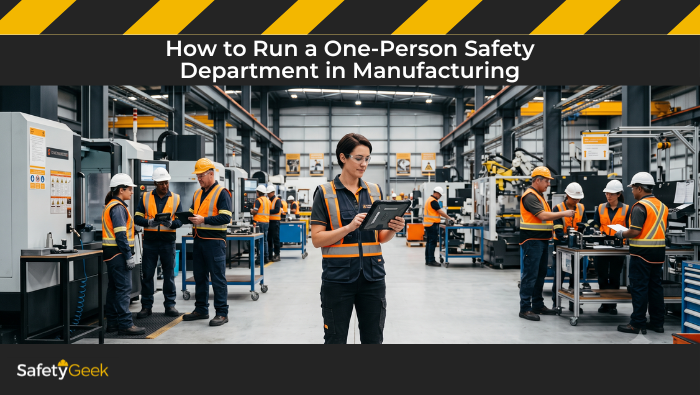
How to Put Interactive Safety Training Together as a Team of One
Even if you’re the whole safety team, interactive safety training is 100% doable. Big results don’t need big teams… just the RIGHT tools and clear steps.
Start by auditing your last three trainings.
- Did workers get to practice? Or just listen?
- Was there any group discussion, scenario, or interactive exercise?
- Did you give real feedback, not just a quiz score?
- Did anyone look genuinely engaged?
If most answers are no, you’re not failing… you just found your starting point.
The Safety Geek’s resources are made for this moment, Safety Friend. Lesson templates, microlearning modules, games, and coaching tools take you from “where do I start?” to braggable results.
Pick ONE training topic coming up. Ask: Can I replace a lecture with a discussion? Add a simple game? Break it into smaller, more focused modules?
Looking for ideas on engagement? See How to Improve Employee Engagement in Safety.
You got this. Your most successful training yet starts right now.
Frequently Asked Questions About Interactive Safety Training
What is the difference between interactive safety training and traditional safety training?
Traditional safety training is one-way: a trainer delivers info and workers passively receive. Interactive safety training is two-way: learners DO… they make decisions, practice skills, answer questions, and get direct feedback. Active participation creates better retention and REAL behavior change.
How do safety training games actually improve learning outcomes?
Safety training games spark motivation with competition, challenge, and fun. When workers compete in a quiz or make scenario-based decisions, they learn from experience, not memorization. It creates deeper understanding, especially in follow-up and refresher training.
What are microlearning safety modules and how long should they be?
Microlearning safety modules deliver one skill or topic, fast. Usually 5-8 minutes, designed to be done anytime, even mid-shift or on a phone. Their strength is in repeated, spaced delivery… perfect for busy teams and real retention.
Why do adult learning principles matter in safety training?
Adults need training that’s useful, hands-on, and connected to real work. They want to apply what they learn immediately and get feedback. Ignore these, and you lose engagement… no real change. Stick to these and you build a braggable culture that truly reduces incidents.
Can a solo safety professional realistically deliver interactive safety training?
Yes! You don’t need a big budget or team. One person with ready-made templates, microlearning, and simple games like quizzes or photo hunts can make training engaging without starting from scratch. The right tools matter. The Safety Geek builds exactly for this. For tips on handling safety solo, check out How Do You Manage a Safety Team of One?.
Now It’s Your Turn
What’s your biggest hurdle with safety training right now? Is it getting people engaged, finishing modules, supervisor buy-in, or something else?
Drop your thoughts in the comments. Want help? Reach out to The Safety Geek for personal support. You’re not alone – I got you, Safety Friend. Let’s get you to braggable results… together.
Hi, I'm Brye (rhymes with sky)! I am a self-proclaimed safety geek with two decades of general industry safety experience. Specializing in bringing safety programs to a world-class level and building a safety culture, I have trained and coached many safety managers, just like you, on how to effectively manage workplace safety in the real world. I would love to help you too.