Estimated reading time: 8 minutes
Powered industrial truck operator training is essential for anyone seeking to develop a strong foundation in workplace safety and operational efficiency. This comprehensive guide delves into the key components of powered industrial truck operator training, emphasizing compliance with OSHA standards and practical applications in the field. Whether you are assessing a forklift safety training curriculum or pursuing online PIT operator certification, understanding these elements will prepare you to excel in your safety role.
Successful operators gain not only compliance certification but also a safety-first mindset that protects both themselves and their teammates. From hands-on training to daily best practices, this guide covers everything you need to know to become a career-ready safety professional in powered industrial truck operation.
The article highlights essential topics such as OSHA requirements, the three pillars of forklift safety training, the advantages and caveats of online certification, and actionable daily operation protocols to build long-lasting safety habits.
Key Takeaways
- Powered industrial truck operator training combines formal instruction, practical training, and regular performance evaluations.
- OSHA mandates re-evaluation every three years and retraining after unsafe incidents.
- The training curriculum includes formal instruction, hands-on practice, and performance evaluation.
- Online PIT certification offers flexibility but must include onsite hands-on assessment to be OSHA-compliant.
- Daily best practices such as pre-operation inspection, load handling, and pedestrian communication are critical for safety.
- A safety-first mindset boosts career advancement and workplace efficiency.
What Is Powered Industrial Truck Operator Training?
Powered industrial truck operator training is formal instruction combined with practical training and performance evaluations at your actual workplace. OSHA standard 29 CFR 1910.178(l) is clear—every operator must demonstrate competence before using any powered industrial truck unsupervised.
This training goes beyond basic driving. You’ll learn truck-specific procedures, how to spot workplace hazards unique to your facility, and critical safety protocols to prevent accidents.
Comprehensive powered industrial truck operator training gives you the skills and awareness to work safely and efficiently in busy warehouses or job sites.
OSHA requires re-evaluation every three years at minimum, plus retraining after incidents or unsafe operation. This training is not a one-time event—ongoing skill refreshers are a core part of compliance.
There’s a notable career benefit as well. Properly trained operators are often chosen for lead roles or specialized positions because they demonstrate reliable safety and confidence in daily operations. Managers notice zero-incident records. To build your safety reputation and progress your career, check out The 5 Stages In The Career Journey of a Safety Manager.
Forklift Safety Training Curriculum: The Three Essential Pillars
A sound forklift safety training curriculum always includes three pillars, as required by OSHA.
Formal Instruction
Classroom lectures, online modules, and written materials cover truck operation principles, safety rules, and regulations—tailored to your specific truck type and worksite conditions.
Practical Hands-On Training
Under a qualified trainer’s supervision, you practice on the actual truck you’ll use. This includes maneuvering, handling loads, and emergency procedures using real equipment.
Performance Evaluation
You demonstrate competence in your real work environment under normal work conditions, observed by a qualified evaluator.
Your training program must cover these topics (source):
- Operating controls, steering, and maneuvering
- Capacity and stability basics—including nameplate reading
- Pre-operation inspections and maintenance
- Fuel or battery handling and ventilation
- Site-specific hazards like ramps, narrow aisles, and pedestrian traffic
Training must match real conditions. For example, work in cold storage introduces unique challenges—slippery floors and reduced visibility—that generic training won’t cover. For more on hazard identification, see Advanced Hazard Recognition Techniques.
Avoid programs that lack hands-on elements, ignore your truck class, or skip required re-evaluations. A quality forklift safety training curriculum always addresses truck-specific tasks, site hazards, and ongoing compliance.
THE ALL-ACCESS PASS RESOURCE PAGE
Get all the FREE templates, safety management resources, PDFs, spreadsheets, and more...
Online PIT Operator Certification: Flexibility with Powered Industrial Truck Operator Training
Online PIT operator certification delivers self-paced theory instruction, followed by in-person hands-on evaluation. When aligned with OSHA requirements, these programs combine scheduling flexibility with compliance.
Benefits of online certification:
- Access for multiple shifts, remote sites, or busy facilities, as classroom time can be completed independently.
- Deeper retention—learn at your pace and revisit key topics as needed.
- Reduced travel and scheduling costs with hands-on evaluation for safety and compliance.
However, OSHA allows computer-based formal instruction only with a required hands-on component and workplace evaluation. Beware of any provider advertising “100% online certification”—this does not meet OSHA rules.
Always confirm that online programs offer qualified trainers for on-site evaluation and set up documented re-evaluations for recertification and after any incident or equipment change.
If a program promises instant certification cards, be cautious. Your employer must document your operator competency; OSHA does not provide operator “licenses”.
For choosing providers and blending training methods, see How to Identify the Best Training Techniques for Safety Meeting Success.
Best Practices for Forklift Operation: Powered Industrial Truck Operator Training in Daily Action
Pre-Operation Inspection
Begin every shift with a thorough check:
- Tires for damage/inflation
- Forks for cracks or bends
- Mast chains for tension/wear
- Hydraulics, horn, lights, brakes, steering
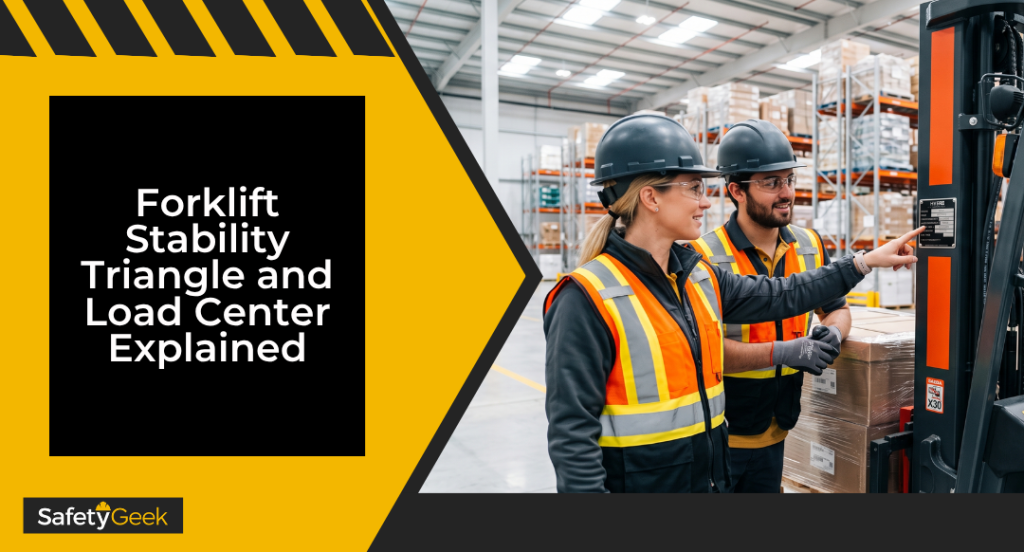
Always confirm nameplate capacity and fuel/battery status. The nameplate is your reference for safe lifting.
Tag and report any defect. Do not operate unsafe equipment.
For inspection tips across safety areas, see Effective Workplace Safety Inspections.
Load Handling and Stability
Check the weight and center of gravity for every load against the truck’s rating—when in doubt, ask or check again. Carry loads low, tilted back for stability.
Experienced operators recognize unusual or unbalanced loads and act accordingly. Mastering these skills comes with time and consistent practice. More on hazard awareness is available in advanced hazard recognition techniques.
Speed, Space, and Visibility
Travel slowly in narrow aisles, corners, and on ramps. Sound the horn at intersections. Keep sight lines clear and use spotters if you can’t see.
Move forks up ramps—never turn on a ramp with a load.
Communication and Pedestrian Safety
Make eye contact with pedestrians, use standard hand signals, and sound horns. Respect walkways and never assume others see you.
Park with forks down, controls neutralized, and brake set.
Energy and Environmental Safety
Change LPG cylinders and charge batteries following safe procedures. Ventilation is essential for indoor fuel truck use—see OSHA PIT training and Forklift PowerPoint Guide.
Watch for carbon monoxide buildup. Follow site rules and reporting for clean air—learn more at Employee Wellness Begins With A Clean And Healthy Workplace and Clearing The Air: A Closer Look At Industrial Indoor Air Quality.
Efficient operators inspect thoroughly, plan their movements, and stay patient on the floor. Each forklift feels and handles differently—OSHA expects operators to train on each model you use (source).
Quick reference checklist:
- Pre-shift: Inspect tires, forks, chains, hydraulics, horn/lights/brakes/steering, confirm capacity and seatbelt.
- Before lifting: Assess load condition and stability; center forks; lift only as needed.
- While driving: Keep the load low and back; slow for turns; horn at intersections; eyes up.
- After parking: Lower forks; neutralize controls; set brake; power down.
For more on mindset and safety leadership, visit Safety Management Best Practices: Leadership Skills and Coaching Strategies to Elevate Your Influence and Impact.
Powered Industrial Truck Operator Training: Building a Safety-First Mindset
With structured forklift safety training curriculum, compliant online PIT operator certification, and consistent best practices, you create a safety-first environment that benefits team members and boosts your career. Re-evaluations every three years and prompt retraining after any incident or equipment change are essential (OSHA update video, OSHA PIT requirements).
Employers document your successful training and evaluation—that record is your official “license” (Forklift training FAQs).
Competent, certified operators earn trust, preferred shifts, and often advance to lead or trainer positions. Their consistent mastery leads to fewer incidents and smoother operations—qualities every safety manager values (OSHA powered industrial truck training, Full Forklift Guide).
If you’re interested in moving from operator to safety leader, see How to Become a Safety Leader Instead of a Safety Doer.
Now It’s Your Turn
- Review your current powered industrial truck operator training—does it address formal instruction, hands-on practice, and real-world evaluation?
- Ask your employer for your recertification date and inspection schedule.
- Practice daily pre-operation inspections and consistent communication on the floor.
- Evaluate potential online PIT operator certification programs for true OSHA compliance and hands-on components.
- Bookmark essential resources, such as OSHA’s requirements and recommended best practices, for quick reference.
If you want to deepen your expertise or work toward a leadership role, explore further resources like Your Ultimate Guide to Building a Safety Culture That Sticks. Start taking action today and set yourself on the path to being a trusted, safety-focused operator.
Frequently Asked Questions
What is the minimum OSHA requirement for powered industrial truck operator training?
OSHA requires that every powered industrial truck operator complete formal instruction, practical training, and a performance evaluation before operating a forklift unsupervised. Operators must be re-evaluated at least every three years or sooner if incidents or unsafe operation occur (source).
Can I complete all forklift certification training online?
No. While OSHA permits computer-based formal instruction, hands-on training and workplace performance evaluation must be completed in person under qualified supervision. Beware of programs claiming 100% online certification as they are not compliant (source).
How often should I perform forklift pre-operation inspections?
Operators should perform thorough pre-operation inspections at the start of each shift to ensure equipment safety and identify any defects. Inspections should cover tires, forks, hydraulics, controls, and the nameplate capacity to prevent accidents (source).
What are some key daily best practices for powered industrial truck operation?
Key best practices include comprehensive pre-shift inspections, careful load handling with attention to center of gravity, safe travel speeds, clear communication with pedestrians, and adherence to energy and environmental safety protocols such as proper battery charging and ventilation (source).
How can powered industrial truck training benefit my career?
Operators with certified training demonstrate safety competence and reliability, making them candidates for lead operator or trainer roles. A safety-first mindset and a strong record of zero incidents improve career advancement opportunities within safety management (source).
Hi, I'm Brye (rhymes with sky)! I am a self-proclaimed safety geek with two decades of general industry safety experience. Specializing in bringing safety programs to a world-class level and building a safety culture, I have trained and coached many safety managers, just like you, on how to effectively manage workplace safety in the real world. I would love to help you too.