Safety certifications line the walls of countless worksites, yet accidents continue at alarming rates. The disconnect isn’t about a lack of knowledge — it’s about the gap between what employees know and what they actually do when deadlines loom and shortcuts beckon. Building a truly safe workplace requires shifting from compliance-focused training to a culture where safe behavior becomes instinctive, even under pressure.
The Unseen Gaps in Workplace Safety
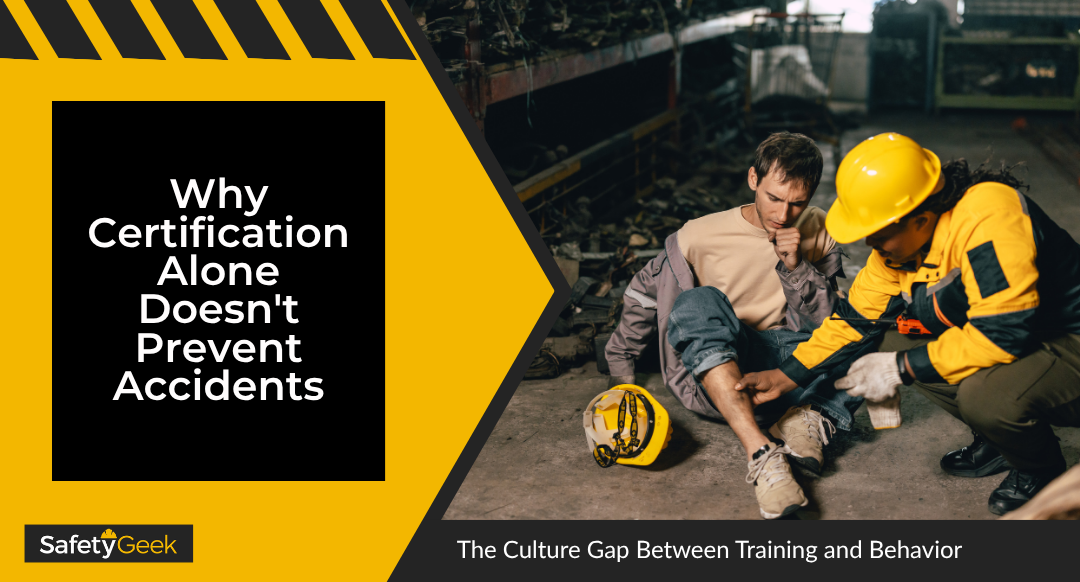
Certification doesn’t prevent accidents when the culture gap between training and behavior remains unaddressed. According to the Bureau of Labor Statistics, one worker dies every 104 minutes from a work-related injury in 2024.
While workers may hold certifications, insufficient hands-on experience with safety protocols can lead to critical risks. True safety culture is reflected in consistent behaviors even when unsupervised. Focusing solely on compliance introduces vulnerabilities, as safety becomes a routine checklist rather than a core value. Despite well-established fall protection standards, the Occupational Safety and Health Administration (OSHA) identifies them as the most frequently violated. These ongoing violations reveal deeper cultural issues, not just knowledge gaps.
The Role of Workplace Culture
The distinction between compliance and culture is evident when examining what shapes daily jobsite behavior. Culture, more than policy, determines whether safety rules are observed or overlooked. Leadership, peer influence, and the overall safety climate either reinforce or undermine safety priorities.
Social and organizational pressures often drive unsafe behaviors. The push to meet deadlines may lead workers to take shortcuts, while pressure to appear strong or efficient can discourage safe practices. Mental health challenges further amplify these risks. Research shows 25.5% of construction workers feel anxious at least once a month. These challenges can affect project performance, hindering workers’ ability to consistently follow safety standards.
Spot the Early Warning Signs of a Failing Culture
Recognizing warning signs early allows you to intervene before accidents occur. Watch for these indicators:
- Unreported near-misses: When workers don’t report close calls, it signals fear of blame or belief that reporting won’t matter.
- Messy worksites: Disorganized work areas reflect a lack of respect for safety protocols and create hazards.
- Complacency: Workers who become too comfortable may skip critical steps. This complacency can lead them to disregard inspections essential to preventing breakdowns and malfunctions on high-risk equipment.
- Disregard for PPE: When personal protective equipment (PPE) sits unused, workers don’t perceive immediate danger.
- Blame culture: Teams that focus on punishment rather than problem-solving discourage honesty and improvement.
- Poor communication: If workers can’t easily voice concerns, critical safety information gets lost.
How to Build a Proactive and Resilient Safety Culture
Follow these strategies to build a strong safety culture.
Start with Visible Leadership and Accountability
Culture starts at the top. Leaders must actively participate in safety practices, not just talk about them. Schedule regular safety walk-throughs where leaders engage directly with employees on safety issues. Model correct behaviors and hold everyone equally accountable when protocols aren’t followed.
Shift Your Focus from Rules to Daily Behaviors
Move beyond an annual training mindset. Safety becomes second nature through daily reinforcement. Create daily safety huddles where teams share observations and practices. Use behavior-based safety techniques that reward safe actions rather than punishing unsafe ones.
Create an Environment of Trust and Open Communication
Psychological safety enables workers to report hazards, mistakes or near-misses without fear of retaliation. Train staff on the importance of safety communication and create platforms for sharing ideas. Gather your team’s feedback regularly to evaluate the effectiveness of your safety program and policies. This feedback reveals what’s working and what needs adjustment.
Your Next Step Toward a Safer Jobsite
A strong safety record comes from a proactive culture, not reactive compliance. Pick one strategy and implement it this week. Whether it’s scheduling your first safety walk-through, launching daily huddles or creating a reporting system, that first step signals that cultural change begins now.
Hi, I'm Brye (rhymes with sky)! I am a self-proclaimed safety geek with two decades of general industry safety experience. Specializing in bringing safety programs to a world-class level and building a safety culture, I have trained and coached many safety managers, just like you, on how to effectively manage workplace safety in the real world. I would love to help you too.