Estimated Reading Time: 8 minutes
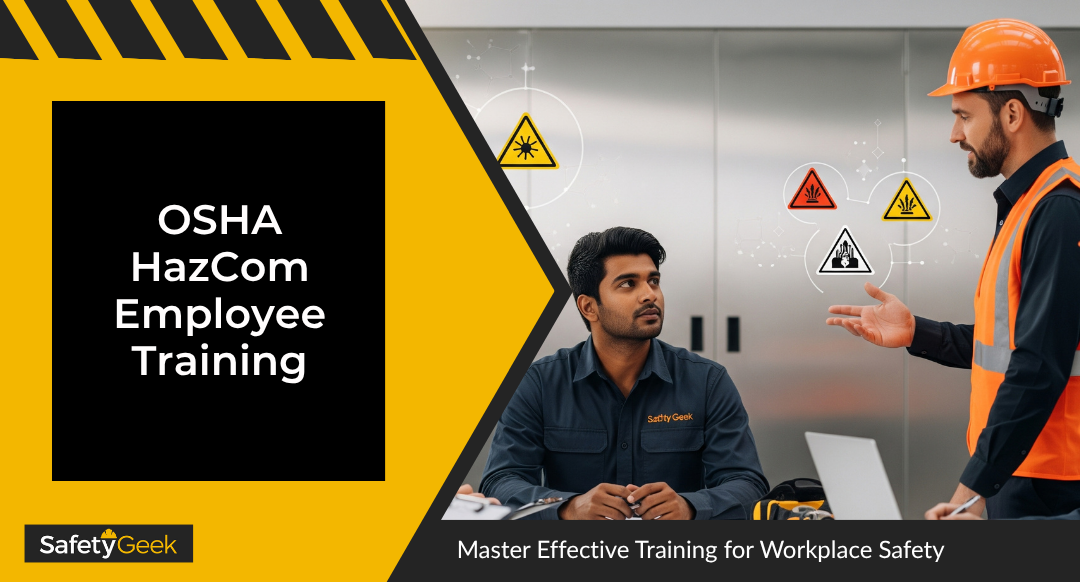
OSHA HazCom employee training is essential for ensuring that employees who handle chemicals are equipped to work safely. This training transforms potential workplace threats posed by chemical hazards into manageable risks that your team can confidently navigate. By prioritizing effective HazCom training for employees, organizations can prevent accidents, avoid regulatory violations, and minimize productivity losses.
In this comprehensive guide, we’ll explore the importance of OSHA HazCom employee training beyond mere compliance. You’ll learn how to deliver impactful HazCom training that drives real behavior change, discover best practices for designing and delivering education, and gain access to must-have HazCom training materials. We’ll also provide a step-by-step implementation roadmap and practical tools, checklists, and resources to support sustained success.
Your employees handle chemicals every day, but are they truly prepared to work safely? OSHA HazCom employee training isn’t just another compliance checkbox. It’s the foundation that transforms chemical hazards from workplace threats into manageable risks your team can confidently navigate. The gap between basic compliance and effective HazCom training for employees often determines whether your workplace experiences preventable accidents, regulatory violations, and productivity losses. This comprehensive guide introduces our proven E³ framework: Educate through foundational knowledge and best practices, Engage with interactive materials and clear implementation roadmaps, and Empower through ongoing tools and support systems. You’ll discover why OSHA HazCom employee training matters beyond compliance requirements, how to deliver truly effective HazCom training for employees that drives real behavior change, and the essential best practices for HazCom education design and delivery. We’ll also provide you with the must-have HazCom training materials for workplace safety, a step-by-step implementation roadmap, and practical tools, checklists, and resources for sustained success.
Key Takeaways
- Understanding the critical role of OSHA HazCom employee training in workplace safety.
- How effective HazCom training goes beyond compliance to drive real behavior change.
- Best practices for designing and delivering impactful HazCom education.
- Essential training materials and resources for implementing HazCom training.
- A step-by-step roadmap for successful HazCom training implementation.
Your employees handle chemicals every day, but are they truly prepared to work safely? OSHA HazCom employee training isn’t just another compliance checkbox. It’s the foundation that transforms chemical hazards from workplace threats into manageable risks your team can confidently navigate. The gap between basic compliance and effective HazCom training for employees often determines whether your workplace experiences preventable accidents, regulatory violations, and productivity losses. This comprehensive guide introduces our proven E³ framework: Educate through foundational knowledge and best practices, Engage with interactive materials and clear implementation roadmaps, and Empower through ongoing tools and support systems. You’ll discover why OSHA HazCom employee training matters beyond compliance requirements, how to deliver truly effective HazCom training for employees that drives real behavior change, and the essential best practices for HazCom education design and delivery. We’ll also provide you with the must-have HazCom training materials for workplace safety, a step-by-step implementation roadmap, and practical tools, checklists, and resources for sustained success.
Why OSHA HazCom Employee Training Matters
OSHA’s Hazard Communication Standard represents one of the most critical safety regulations affecting workplaces today. The standard ensures chemical hazards are properly identified, labeled, and communicated according to the Globally Harmonized System (GHS), creating a unified approach to chemical safety across industries. Understanding why OSHA HazCom employee training matters goes far beyond simple regulatory compliance. The 2024 updates to OSHA’s Hazard Communication Standard have strengthened alignment with GHS requirements, introducing more stringent safety data sheet content standards and enhanced chemical labeling protocols. These changes affect every workplace that uses chemicals, from manufacturing facilities to office buildings with basic cleaning supplies. Employers must now provide more comprehensive training that addresses these updated requirements while ensuring employees can effectively interpret and act on hazard information. The benefits of effective OSHA HazCom employee training extend into three critical areas that directly impact your organization’s success. Regulatory compliance remains the foundation, as mandatory training requirements and safety data sheet obligations carry significant financial penalties for non-compliance. OSHA inspectors actively verify that employees can demonstrate hazard recognition skills and properly navigate safety documentation during workplace visits. Risk reduction represents the most immediate operational benefit of robust HazCom training programs. Trained employees consistently demonstrate superior ability to recognize chemical hazards, interpret warning labels, and implement appropriate safety measures before incidents occur. This proactive approach prevents accidents, reduces workers’ compensation claims, and minimizes operational disruptions that cost organizations thousands of dollars annually. (source) – Productivity and workforce confidence create the often-overlooked third benefit of comprehensive OSHA HazCom employee training. Workers who understand chemical hazards and safety procedures approach their tasks with greater confidence and efficiency. Clear procedures eliminate guesswork, reduce time spent consulting supervisors, and empower employees to make informed decisions independently. This increased self-reliance translates directly into improved morale, reduced turnover, and measurable productivity gains across operations.Effective HazCom Training for Employees
What is Effective HazCom Training?- Delivers clear, actionable information tailored to employees’ job functions and literacy levels
- Yields measurable outcomes: Employees demonstrate competency in recognizing hazards and using SDSs.
- Relevance to specific chemical hazards employees actually encounter
- Interactivity—through scenarios, questions, and demonstrations
- Real-world examples from your own workplace
- In-class workshops and safety meetings
- E-learning modules, suitable for remote or shift-based staff
- Toolbox talks for short, targeted refreshers
Best Practices for HazCom Education
- Hazard Assessment: Start with a thorough review of all chemicals and tasks (often through a job hazard analysis) –
- Learner-Centered Design: Use micro-learning modules and scenario-based exercises to boost engagement and retention.
- Train-the-Trainer: Educate internal leaders to scale knowledge transfer efficiently
- Refresher Training & Tracking: Schedule periodic updates and competency reviews—especially when new chemicals are introduced, or regulations change
HazCom Training Materials for the Workplace
Common and effective materials include:- Slide decks & facilitator guides
- Video demonstrations and on-demand webinars
- SDS binders paired with quick-reference cards
- Interactive quizzes and competency checklists
- Customize materials to reflect your actual chemical inventory and job tasks.
- Provide easy access (digital or print) for all employees.
- Consider downloadable templates and samples from trusted safety organizations.
Step-by-Step Implementation Roadmap
- Plan
- Form a cross-functional team and gather all SDSs.
- Map your training curriculum to workplace needs.
- Develop
- Draft slides, videos, and handouts.
- Pilot program with a small employee group and adjust based on feedback
- Deliver
- Schedule training sessions using a blend of in-person and digital methods.
- Document attendance and participation.
- Evaluate & Improve
- Use quizzes and employee surveys to identify knowledge gaps.
- Update materials as regulations or workplace conditions change.
Tools & Additional Resources
- Official OSHA guidance documents and GHS pictogram posters
- Use e-learning and compliance platforms for scalable delivery
- The Safety Geek Podcast
Conclusion & Next Steps
Robust OSHA HazCom employee training is essential for maintaining a safe, compliant, and productive workplace. By following best practices, using tailored materials, and nurturing a culture of continuous learning, safety leaders transform compliance obligations into genuine operational strengths.Now It’s Your Turn
Implementing effective OSHA HazCom employee training doesn’t have to be overwhelming. Here are actionable steps you can take right now:- Assess Your Current Program: Review your existing HazCom training materials and identify any gaps or outdated information.
- Engage Your Team: Communicate the importance of HazCom training to your employees and encourage their participation in improving safety practices.
- Leverage Available Resources: Utilize the tools and resources provided in this guide to enhance your training program.
- Schedule Regular Updates: Set reminders for periodic training sessions and updates to keep your team informed about the latest regulations and safety procedures.
Frequently Asked Questions
Q1: What is the OSHA Hazard Communication Standard? A1: The OSHA Hazard Communication Standard (HazCom) is a set of regulations designed to ensure that information about chemical hazards and associated protective measures is communicated to workers. It requires employers to provide proper labeling, safety data sheets (SDSs), and training to employees handling hazardous chemicals. Q2: Who needs to receive HazCom training? A2: Any employee who may be exposed to hazardous chemicals in the workplace needs to receive HazCom training. This includes workers who handle, store, or work in areas where these chemicals are present. Q3: How often should HazCom training be conducted? A3: Initial HazCom training should be provided at the time of an employee’s first assignment. Additional training is required whenever a new chemical hazard is introduced into their work area. Regular refresher training is also recommended to keep employees up-to-date with any changes in regulations or workplace conditions. Q4: What should be included in HazCom training? A4: HazCom training should cover understanding chemical labels and SDSs, recognizing chemical hazards, safe handling and storage procedures, emergency response protocols, and employees’ rights under the HazCom Standard. Q5: Where can I find resources to develop my HazCom training program? A5: Resources can be found through official OSHA publications, industry-specific safety organizations, and reputable online platforms offering training materials, templates, and guidelines. The Tools & Additional Resources section of this guide provides links to helpful materials.Hi, I'm Brye (rhymes with sky)! I am a self-proclaimed safety geek with two decades of general industry safety experience. Specializing in bringing safety programs to a world-class level and building a safety culture, I have trained and coached many safety managers, just like you, on how to effectively manage workplace safety in the real world. I would love to help you too.